Chihuahua, Mexico, is a city of about 900,000 inhabitants. As part of a pressure management project begun in 2018, 57 District Metered Areas were built in the city’s Water Distribution Network (WDN). To prevent excessive pressures (>30 wmc) a maximum slope criteria was established (< 15-meter differential elevation within each DMA). To achieve this, some of the DMAs have subdistricts.
At the entrance of each DMA, a pressure reducing valve (PRV) was installed, together with an autonomous electric/hydraulic controller with remote communication and an electromagnetic flowmeter. All of these components were arranged inside a chamber as a “Control Point”. The pressure in the DMAs is managed through pressure-time or pressure-flow patterns within the controllers, with a demand-dependent logic. However, due to the high cost of the hydraulic controllers, it was not possible to use them to also control the subdistricts within the DMAs. Instead, each subdistrict was controlled by a traditional PRV, which has a known constraint: fixed downstream pressure. So, the demand-dependent pressure pattern achieved downstream of the entrance of the DMA was not mirrored in the subdistrict.
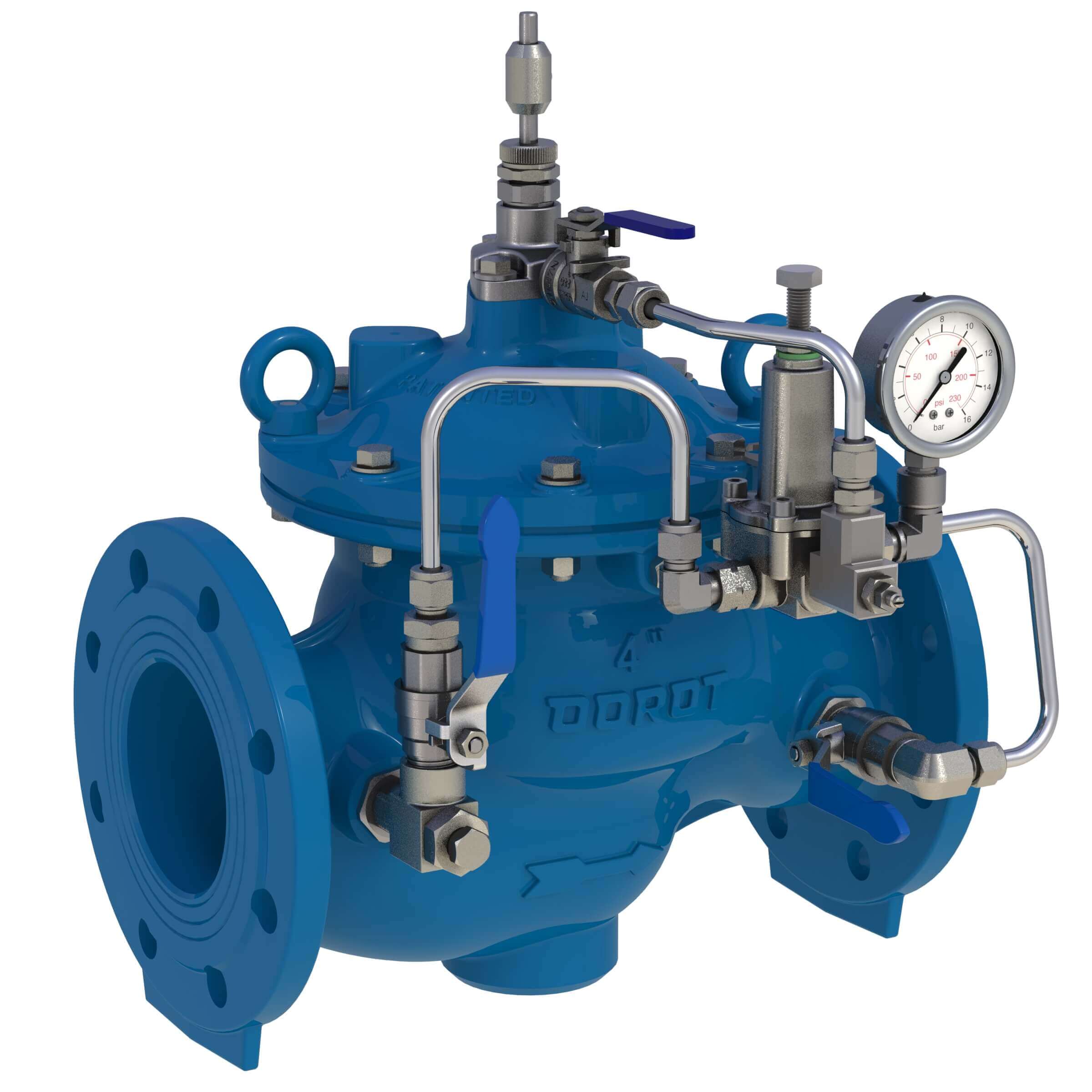
A DOROT S300 DI Differential Pressure Valve (DPV) was proposed as a solution in the subdistricts, instead of the traditional fixed downstream pressure PRV. The DPV mirrors the pressure pattern achieved downstream of the main DMA entrance.
By mirroring the demand-dependent pressure management behavior of the PRV at the entrance of the DMA, the DPV achieves a decrease in general pressure values inside the subdistrict, generating savings of 15,000 USD in water production – delivering ROI within year – along with 13% leakage flow recovery.
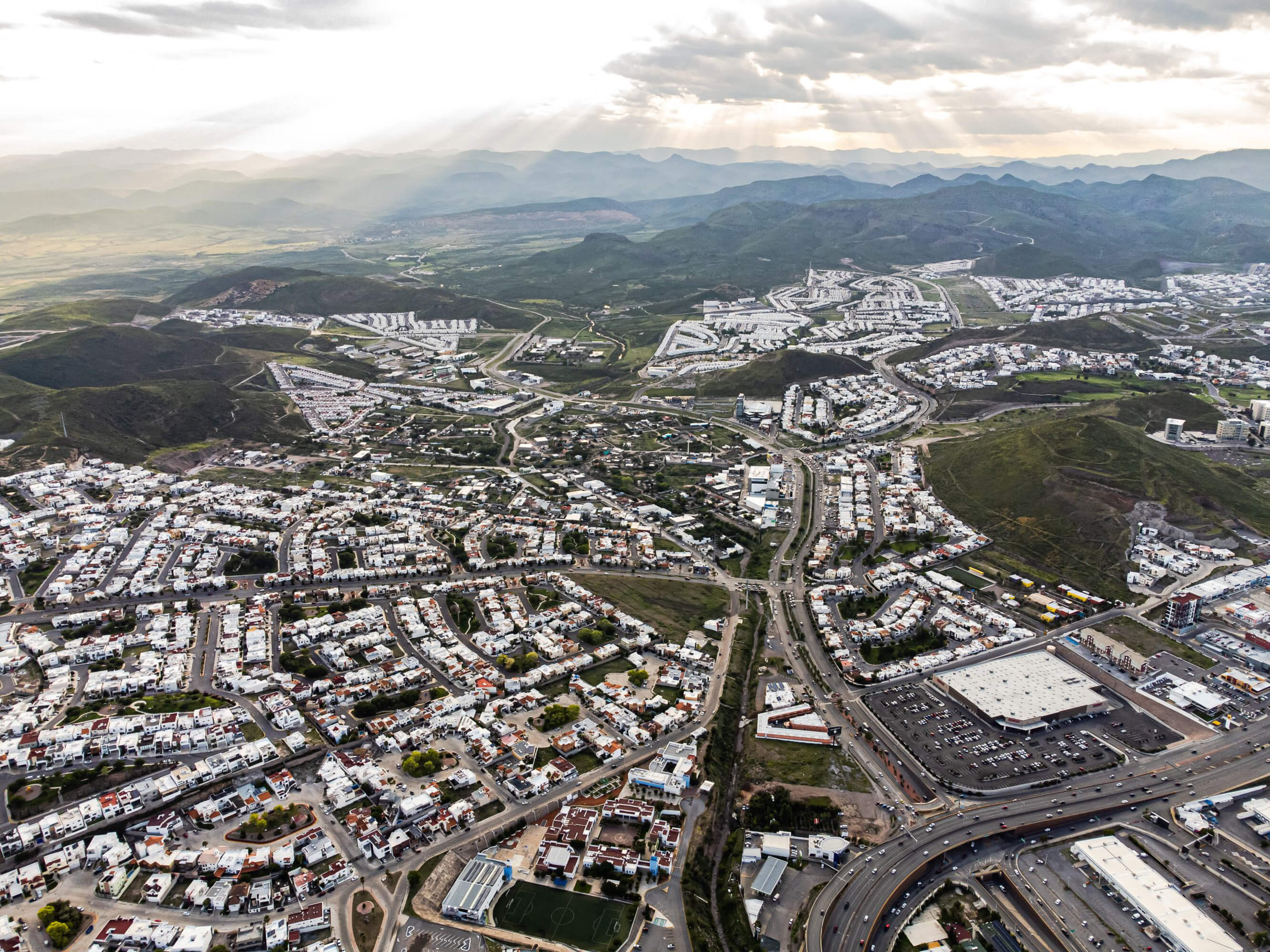
Chihuahua, Mexico, is a city of about 900,000 inhabitants. As part of a pressure management project begun in 2018, 57 District Metered Areas were built in the city’s Water Distribution Network (WDN). To prevent excessive pressures (>30 wmc) a maximum slope criteria was established (< 15-meter differential elevation within each DMA). To achieve this, some of the DMAs have subdistricts.
Challenge
Pressure differentials
At the entrance of each DMA, a pressure reducing valve (PRV) was installed, together with an autonomous electric/hydraulic controller with remote communication and an electromagnetic flowmeter. All of these components were arranged inside a chamber as a “Control Point”. The pressure in the DMAs is managed through pressure-time or pressure-flow patterns within the controllers, with a demand-dependent logic. However, due to the high cost of the hydraulic controllers, it was not possible to use them to also control the subdistricts within the DMAs. Instead, each subdistrict was controlled by a traditional PRV, which has a known constraint: fixed downstream pressure. So, the demand-dependent pressure pattern achieved downstream of the entrance of the DMA was not mirrored in the subdistrict.
Solution
Replicating pressure management
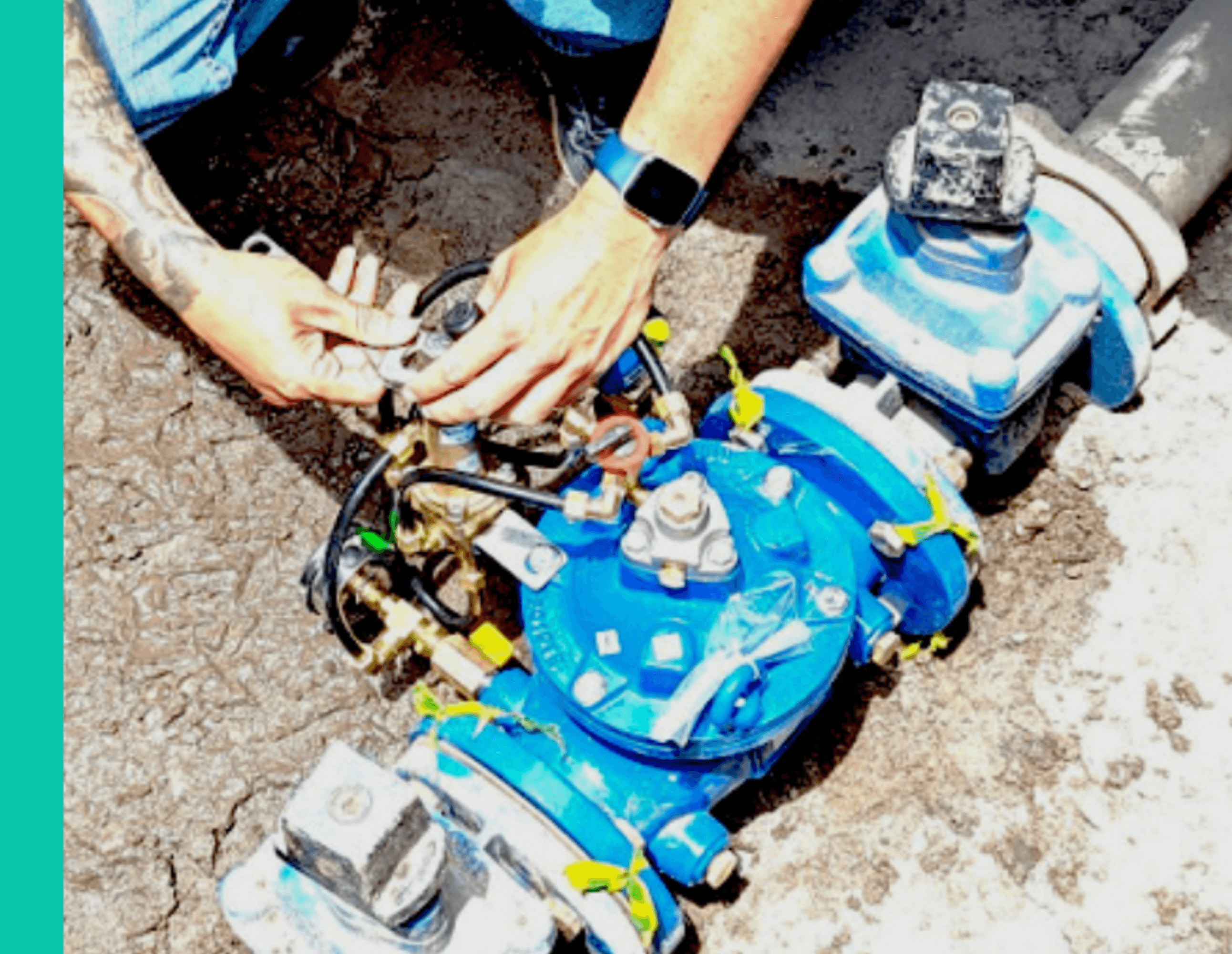
A DOROT S300 DI Differential Pressure Valve (DPV) was proposed as a solution in the subdistricts, instead of the traditional fixed downstream pressure PRV. The DPV mirrors the pressure pattern achieved downstream of the main DMA entrance.
DPV calibration at Josefa DMA pressure layer
Results
Decreased pressure. Increased savings
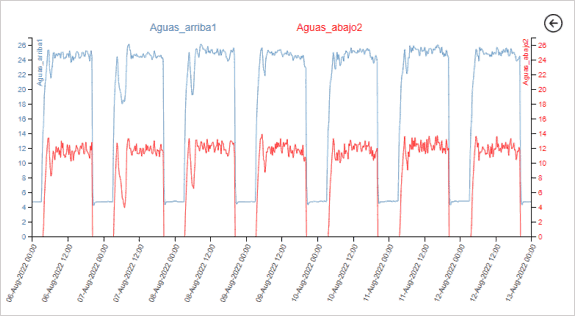
By mirroring the demand-dependent pressure management behavior of the PRV at the entrance of the DMA, the DPV achieves a decrease in general pressure values inside the subdistrict, generating savings of 15,000 USD in water production – delivering ROI within year – along with 13% leakage flow recovery.
Pressure values as measured at the PRV inlet and outlet on display platform (units in MWC). Source: JMAS-Incotex Platform
Related Case Studies
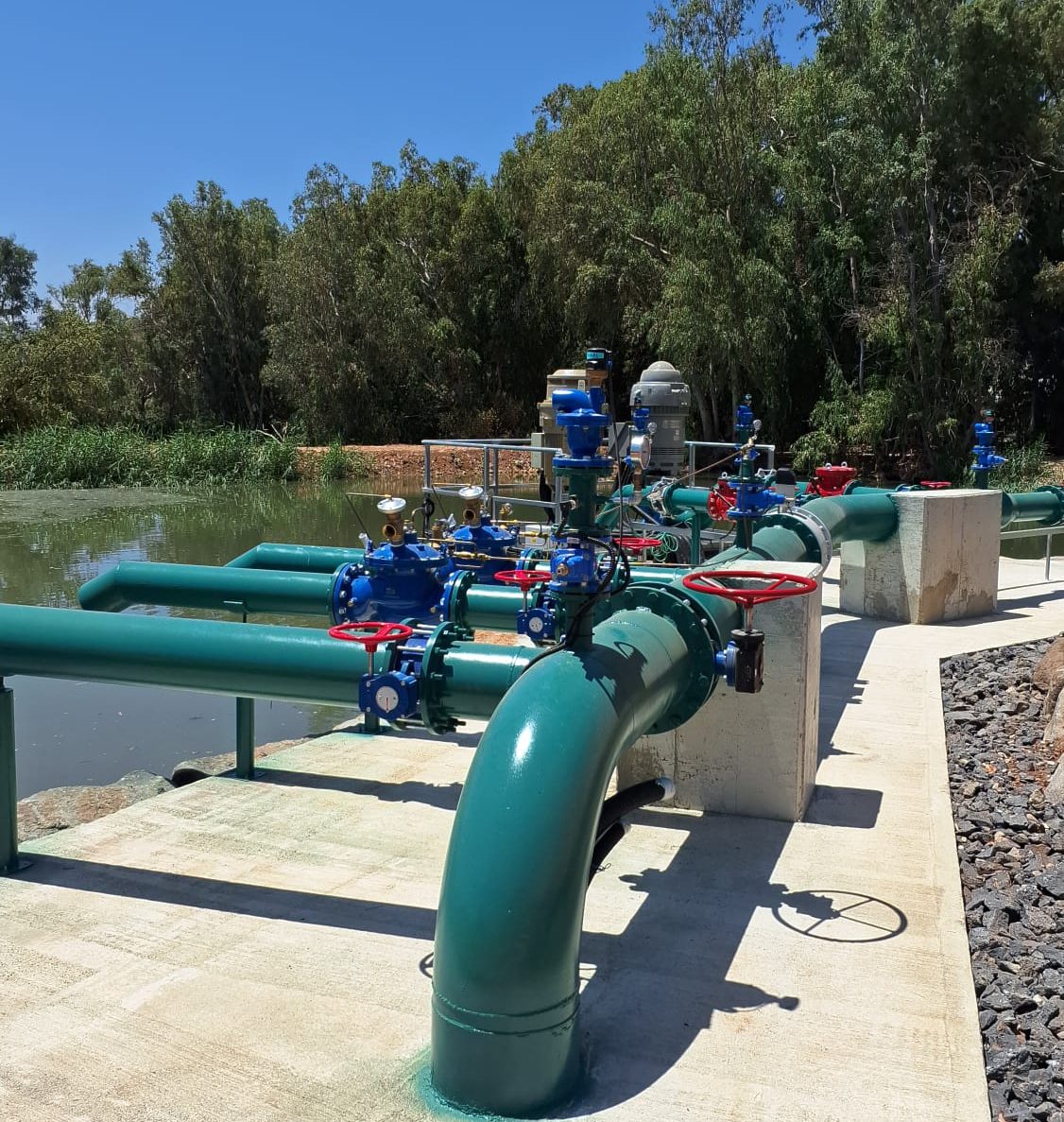
Turning hydraulic complexity into reliable flow – safeguarding irrigation in water-scarce conditions
To provide the best experiences, we use technologies like cookies to store and/or access device information. Consenting to these technologies will allow us to process data such as browsing behavior or unique IDs on this site. Not consenting or withdrawing consent, may adversely affect certain features and functions.
Functional
Always active
The technical storage or access is strictly necessary for the legitimate purpose of enabling the use of a specific service explicitly requested by the subscriber or user, or for the sole purpose of carrying out the transmission of a communication over an electronic communications network.
Preferences
The technical storage or access is necessary for the legitimate purpose of storing preferences that are not requested by the subscriber or user.
Statistics
The technical storage or access that is used exclusively for statistical purposes.The technical storage or access that is used exclusively for anonymous statistical purposes. Without a subpoena, voluntary compliance on the part of your Internet Service Provider, or additional records from a third party, information stored or retrieved for this purpose alone cannot usually be used to identify you.
Marketing
The technical storage or access is required to create user profiles to send advertising, or to track the user on a website or across several websites for similar marketing purposes.
To provide the best experiences, we use technologies like cookies to store and/or access device information. Consenting to these technologies will allow us to process data such as browsing behavior or unique IDs on this site. Not consenting or withdrawing consent, may adversely affect certain features and functions.
Functional
Always active
The technical storage or access is strictly necessary for the legitimate purpose of enabling the use of a specific service explicitly requested by the subscriber or user, or for the sole purpose of carrying out the transmission of a communication over an electronic communications network.
Preferences
The technical storage or access is necessary for the legitimate purpose of storing preferences that are not requested by the subscriber or user.
Statistics
The technical storage or access that is used exclusively for statistical purposes.The technical storage or access that is used exclusively for anonymous statistical purposes. Without a subpoena, voluntary compliance on the part of your Internet Service Provider, or additional records from a third party, information stored or retrieved for this purpose alone cannot usually be used to identify you.
Marketing
The technical storage or access is required to create user profiles to send advertising, or to track the user on a website or across several websites for similar marketing purposes.