

Size Unit
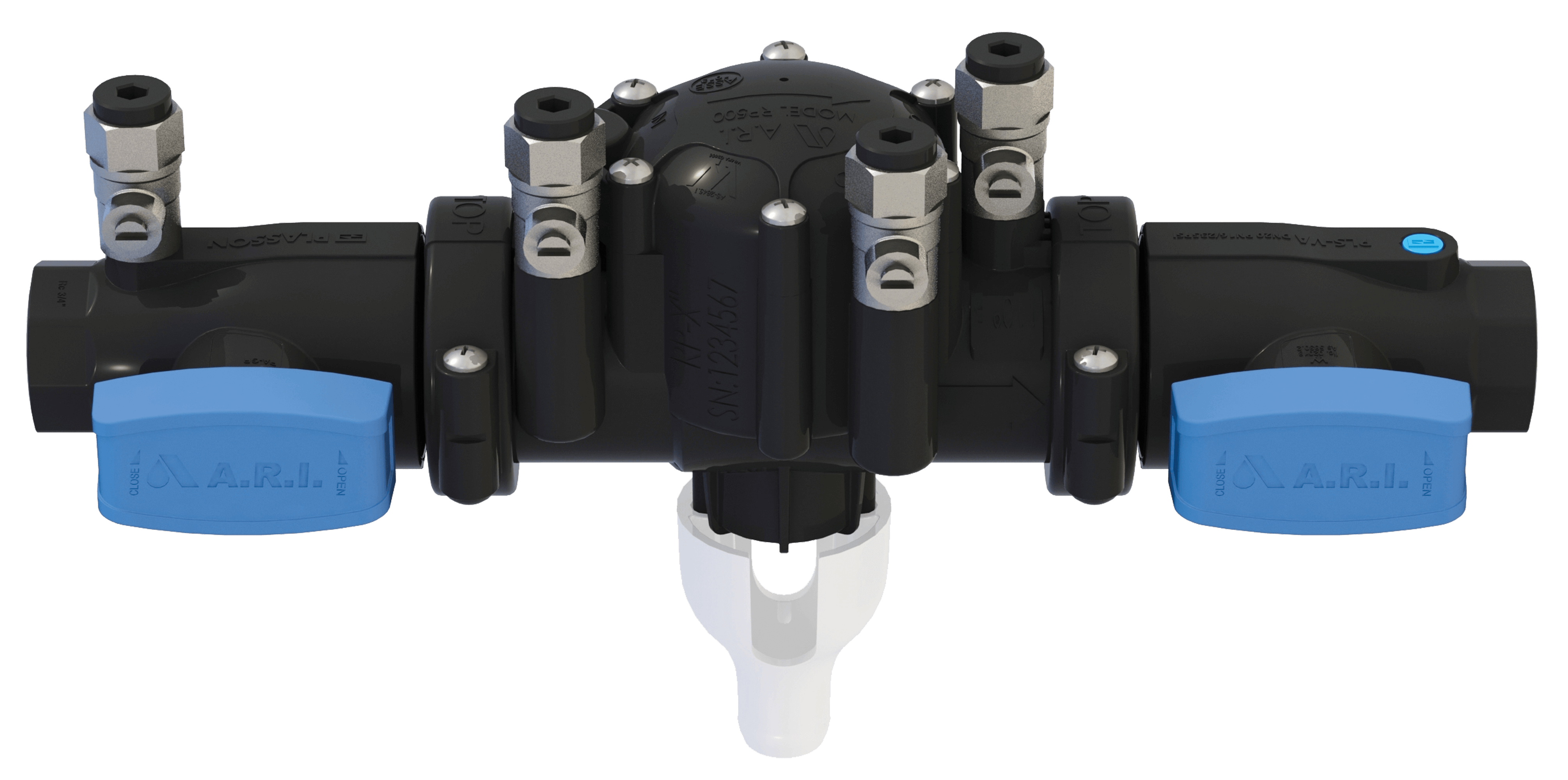
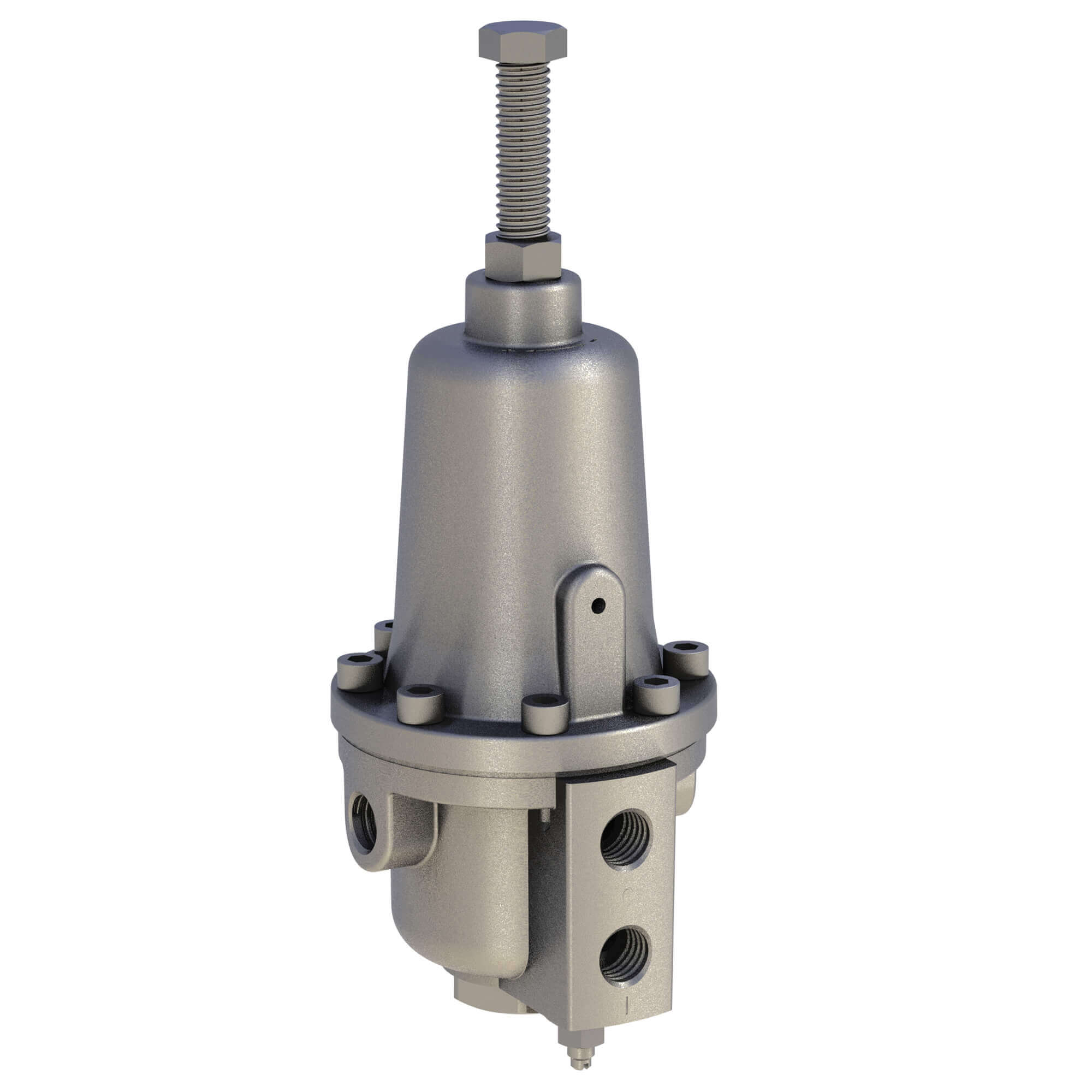
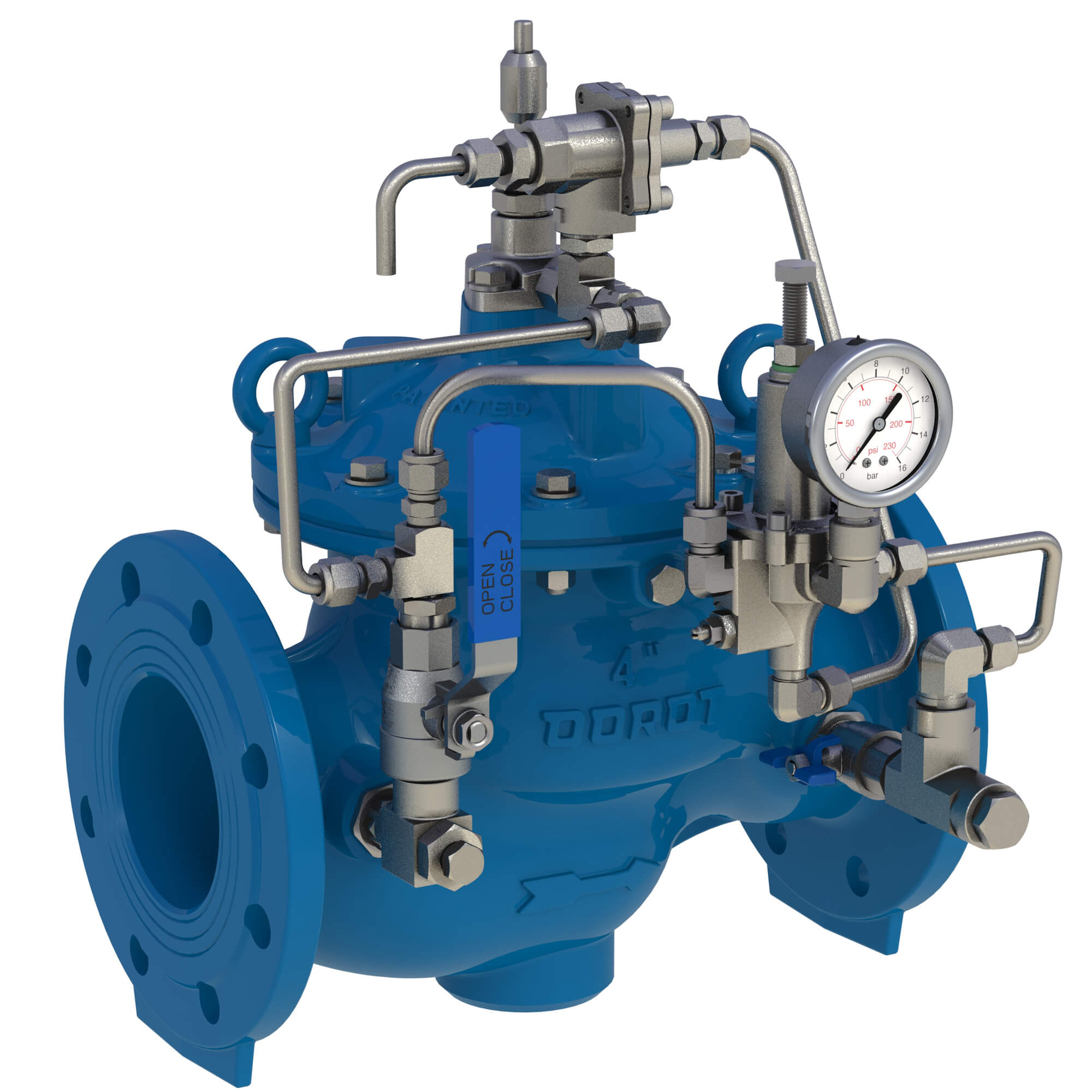
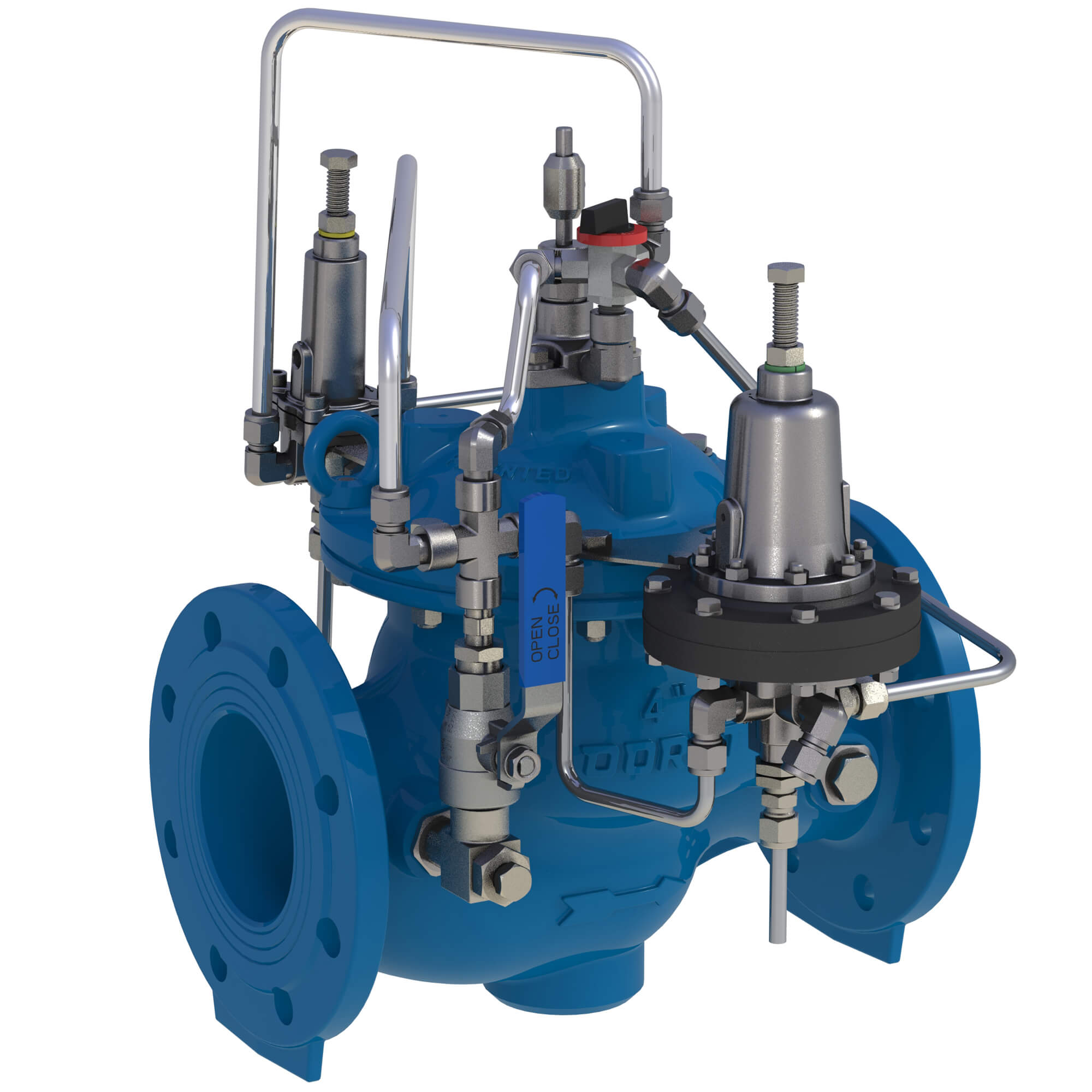
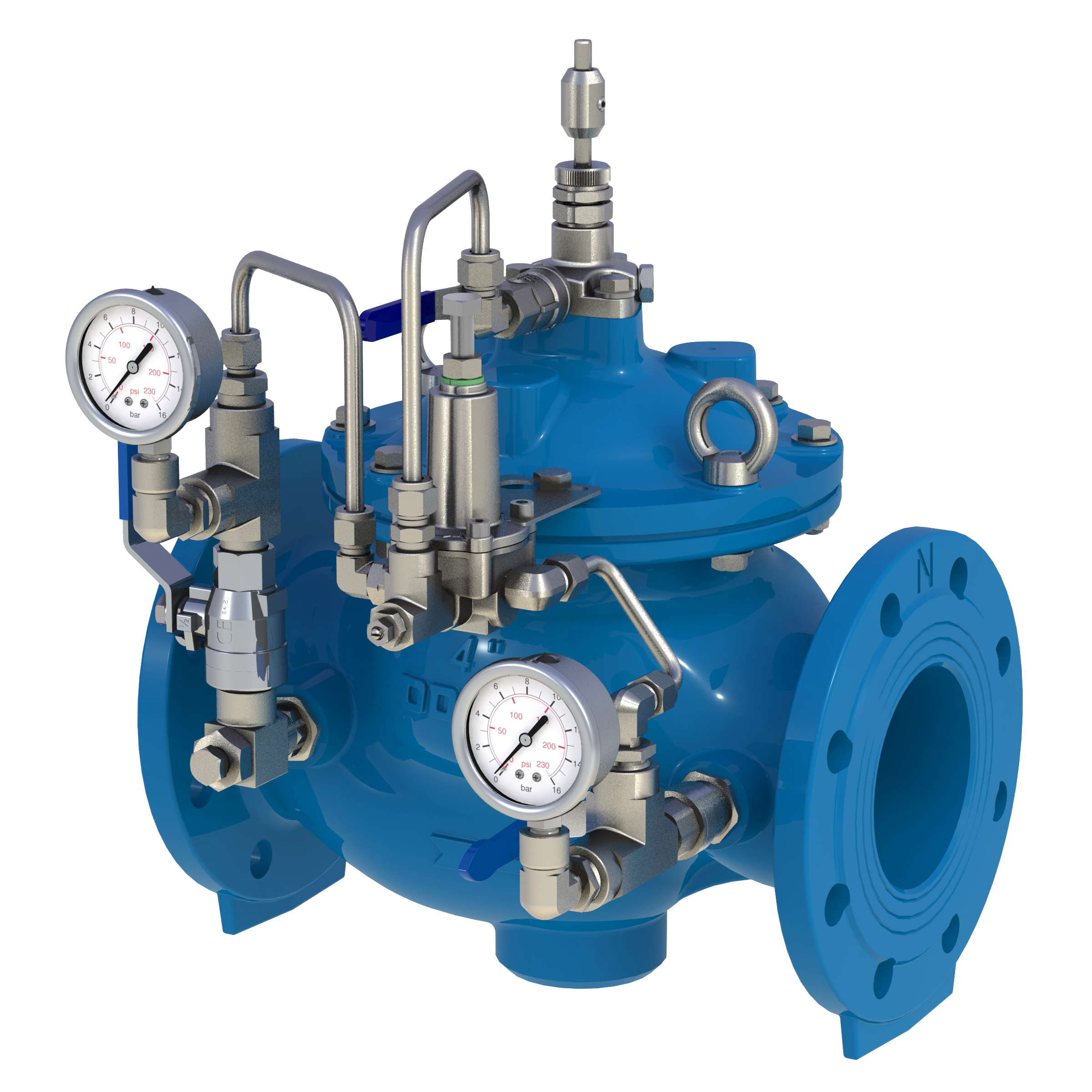
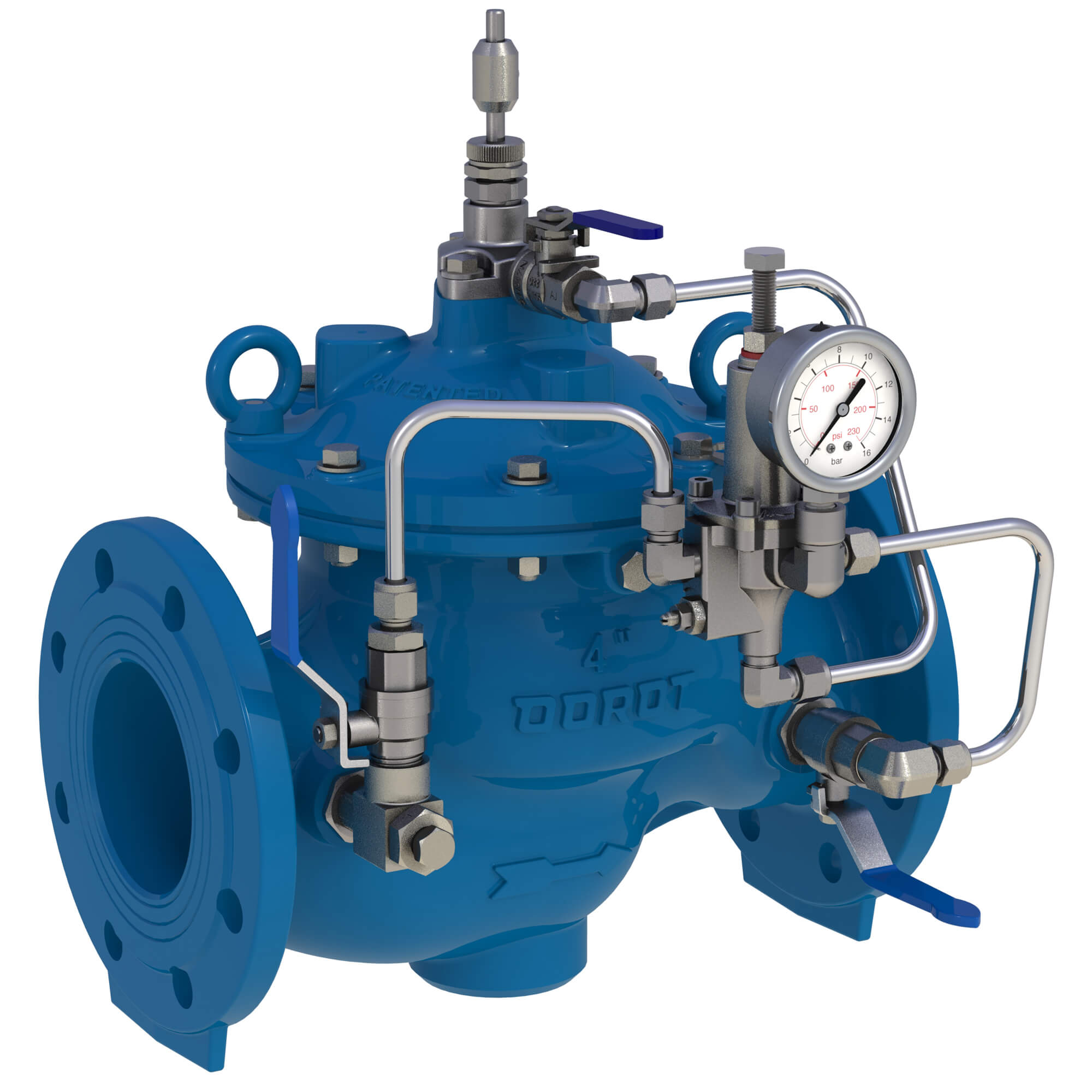
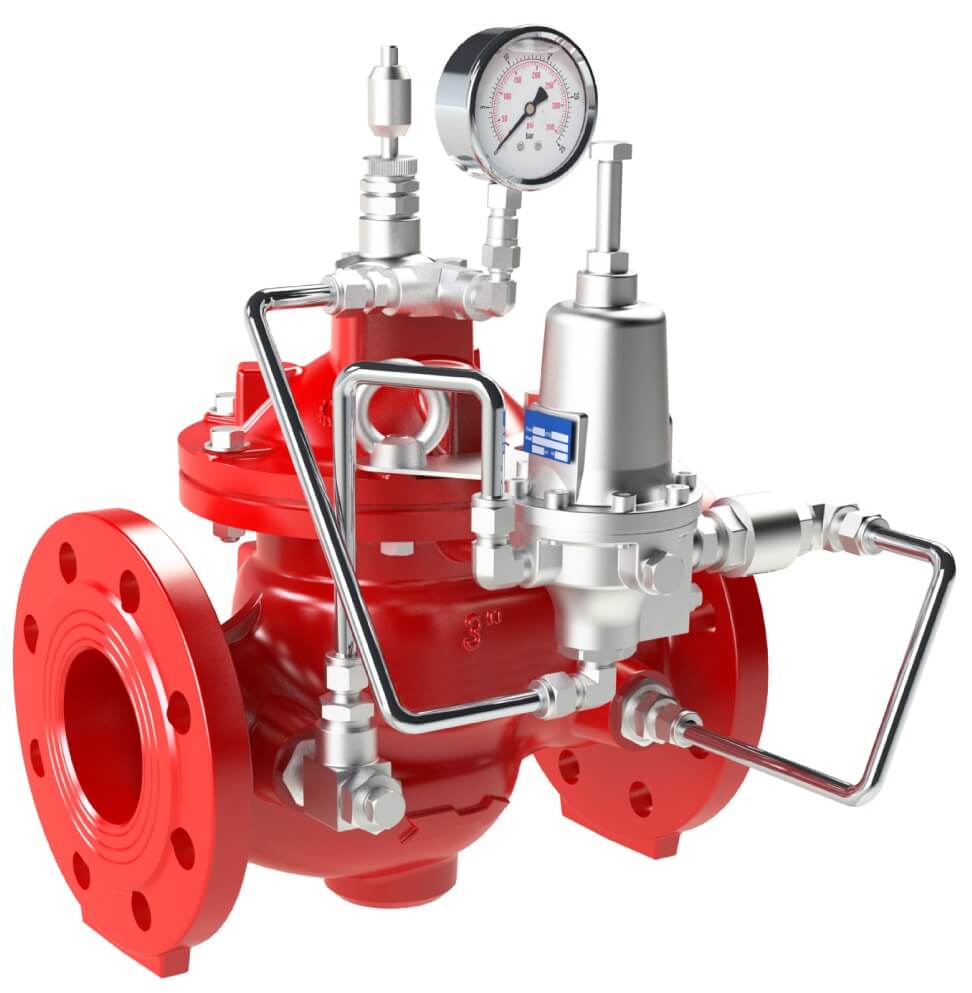
A pressure relief valve is a safety device that opens automatically when system pressure exceeds a set limit, releasing pressure to prevent damage to pipelines, equipment, and fittings.
A relief valve stays closed under normal pressure and opens at the set pressure; once pressure drops to a safe level, it reseats (closes) to restore normal operation.
They’re commonly used in pump stations, transmission lines, pressure zones, and critical network points where pressure spikes can occur—especially during pump starts/stops or rapid changes in flow.
A pressure relief valve protects a system by releasing excess pressure above a limit. A pressure reducing valve (PRV) continuously regulates downstream pressure to a lower setpoint during normal operation.
Sizing depends on the maximum pressure scenario, required relief flow capacity, upstream/downstream conditions, and discharge arrangement. Correct sizing ensures the valve can relieve enough flow fast enough to keep pressure below the safe limit.
Set pressure is typically chosen based on the system’s maximum allowable working pressure (MAWP) and protection target. The valve is then configured to open at that setpoint (method depends on valve type/model). In engineered systems, the setpoint should be verified during commissioning.
Commissioning verifies the valve opens at the intended set pressure, relieves pressure effectively, and reseats properly without leakage. A baseline test record helps future maintenance and troubleshooting.
Leakage can result from debris on the seat, wear, incorrect setpoint, or repeated pressure events. If leakage persists, treat it as a maintenance issue: do not block the discharge, and have a qualified technician inspect/clean/service the valve and confirm operating pressures.
If stuck closed, the system may be unprotected during overpressure events. If stuck open, you may get continuous discharge/pressure loss. Both conditions indicate the valve needs inspection and servicing/replacement.
Aquestia supports projects worldwide. For the fastest match to local requirements, request a quote with country, application, size, pressure range, and flow conditions so availability and configuration can be aligned.