
Size Unit
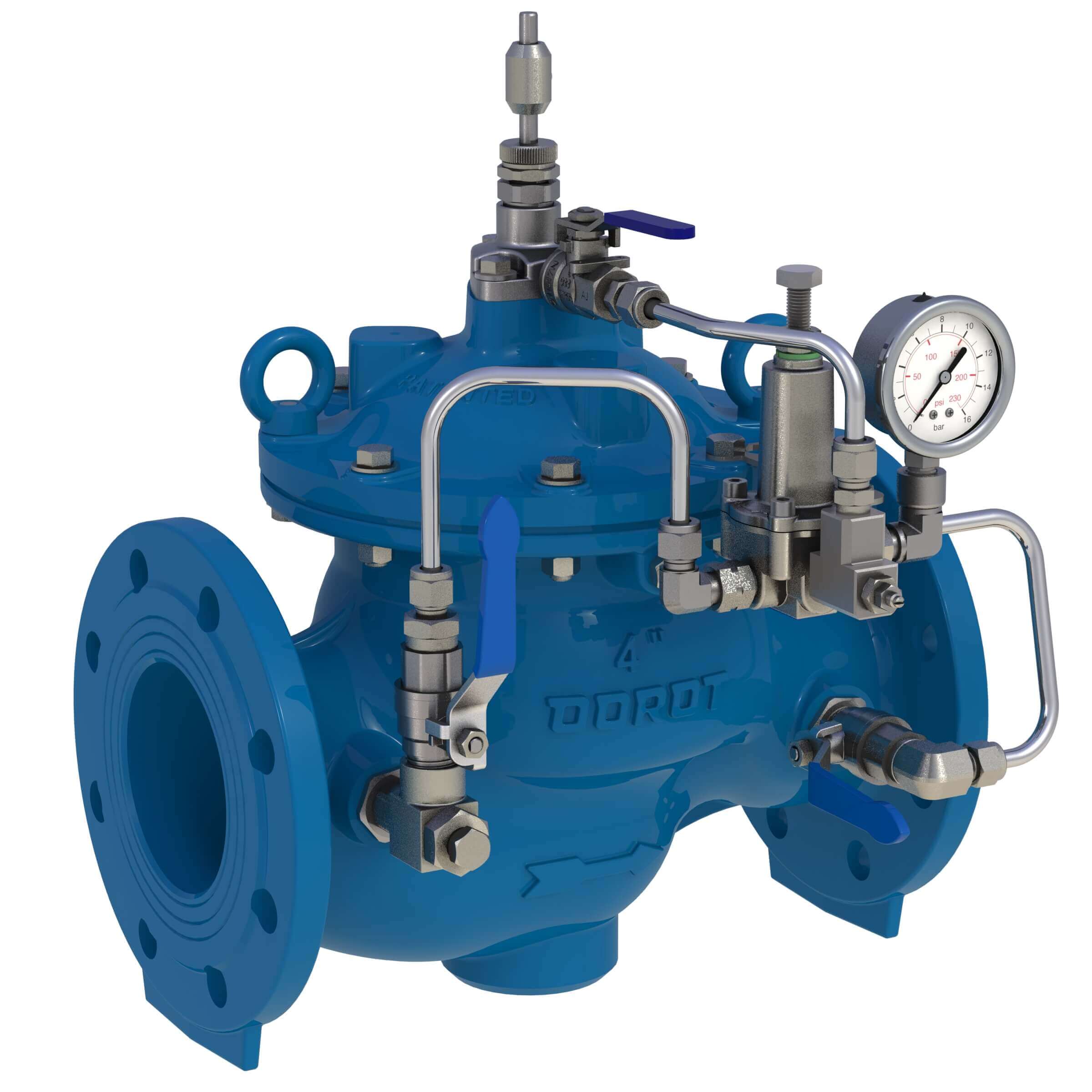
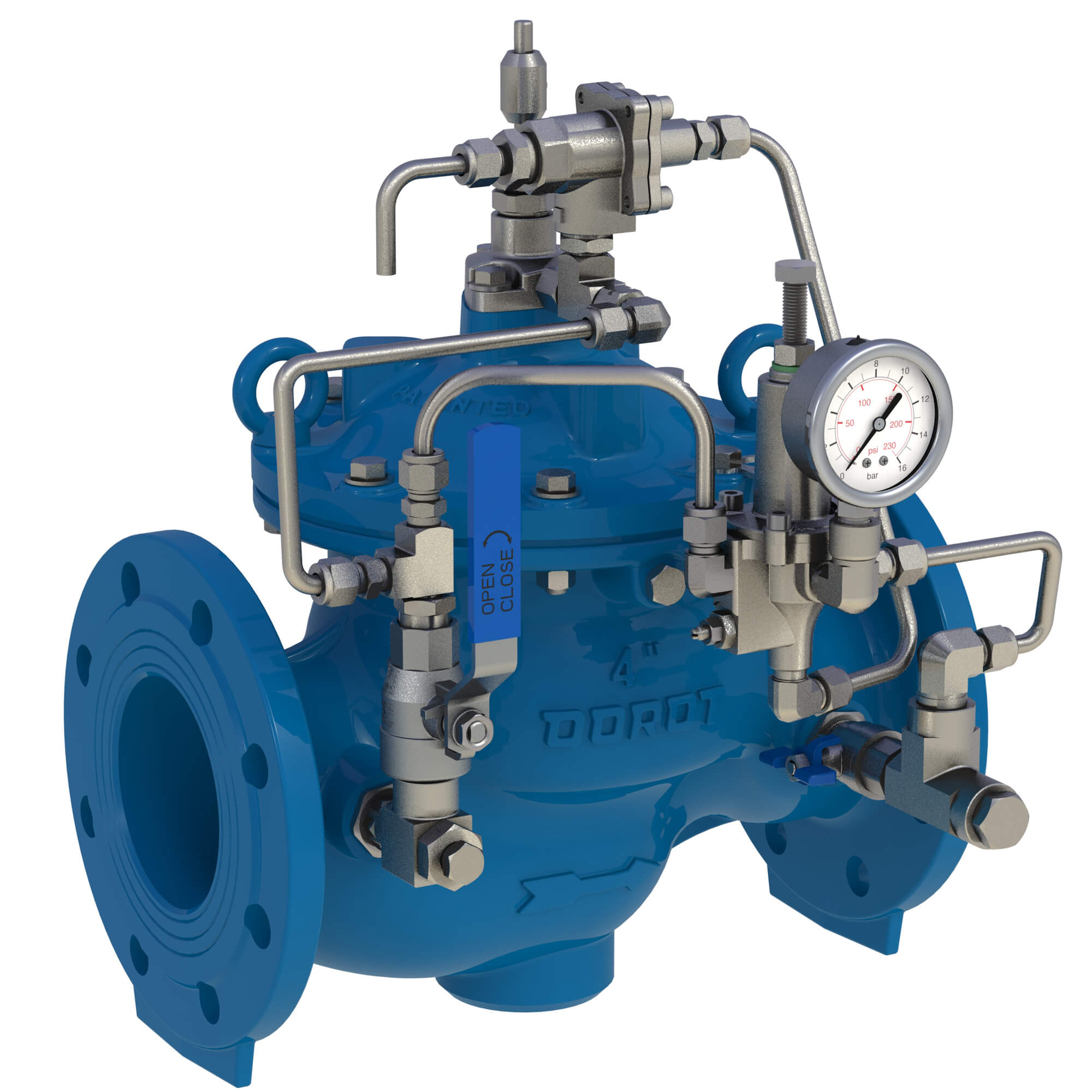
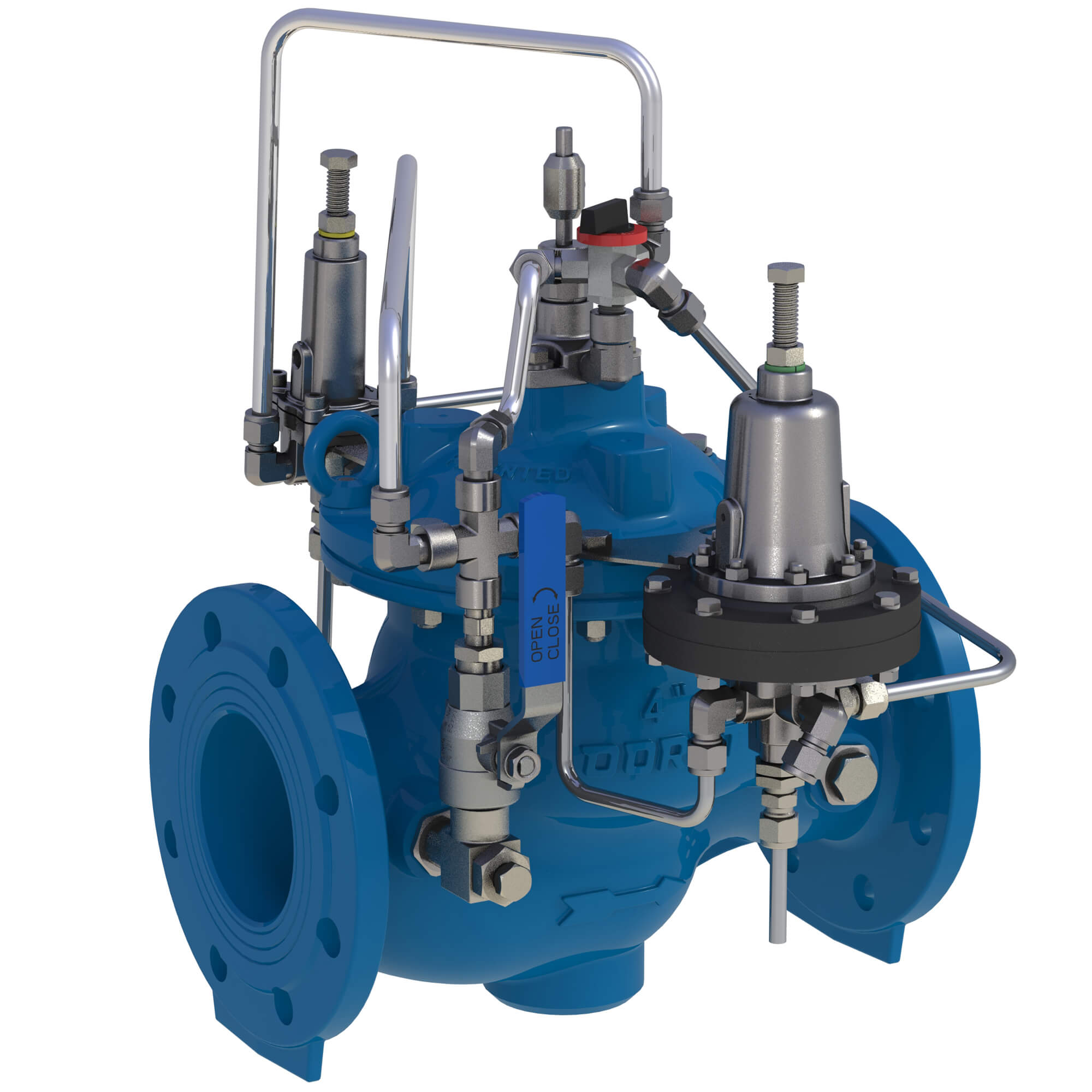
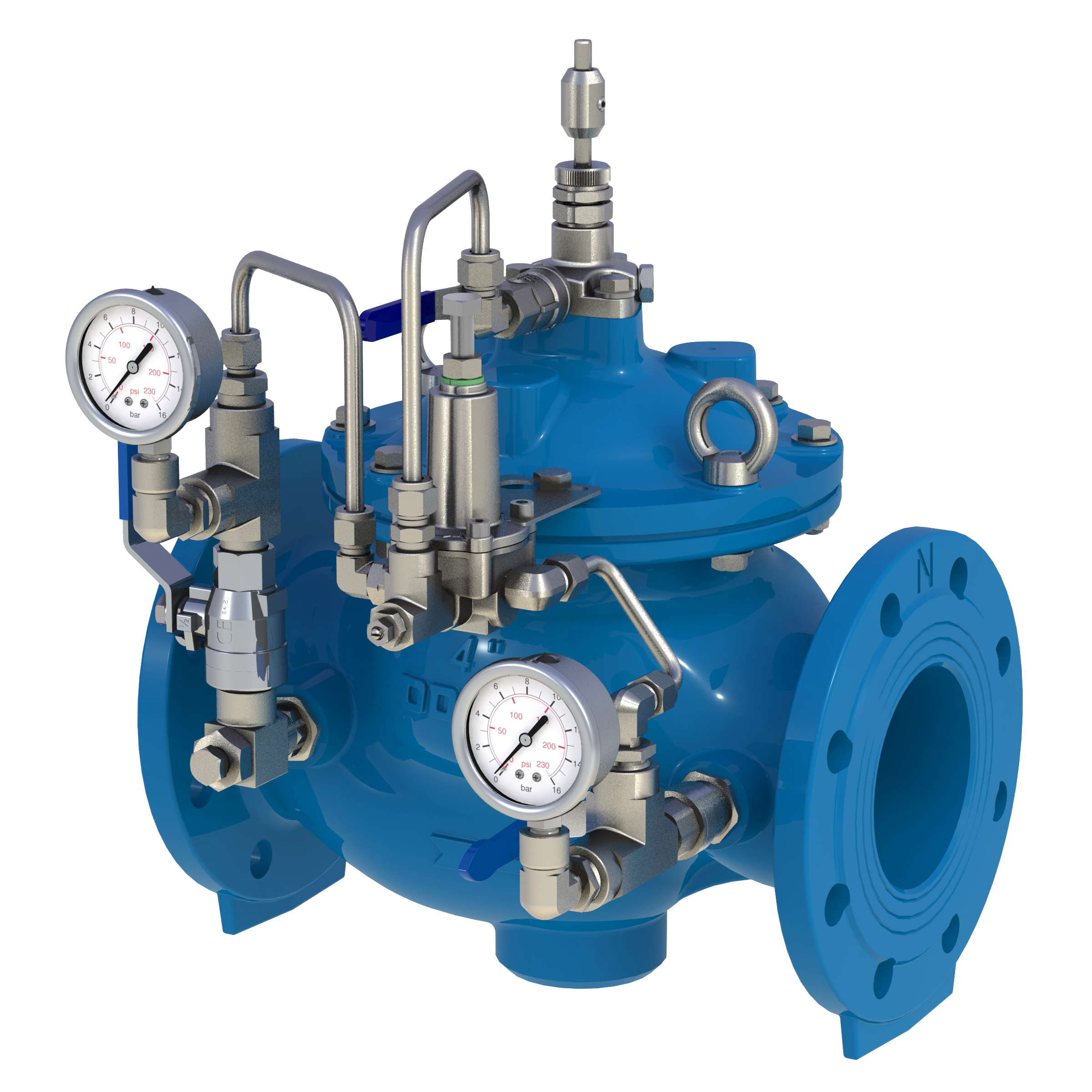
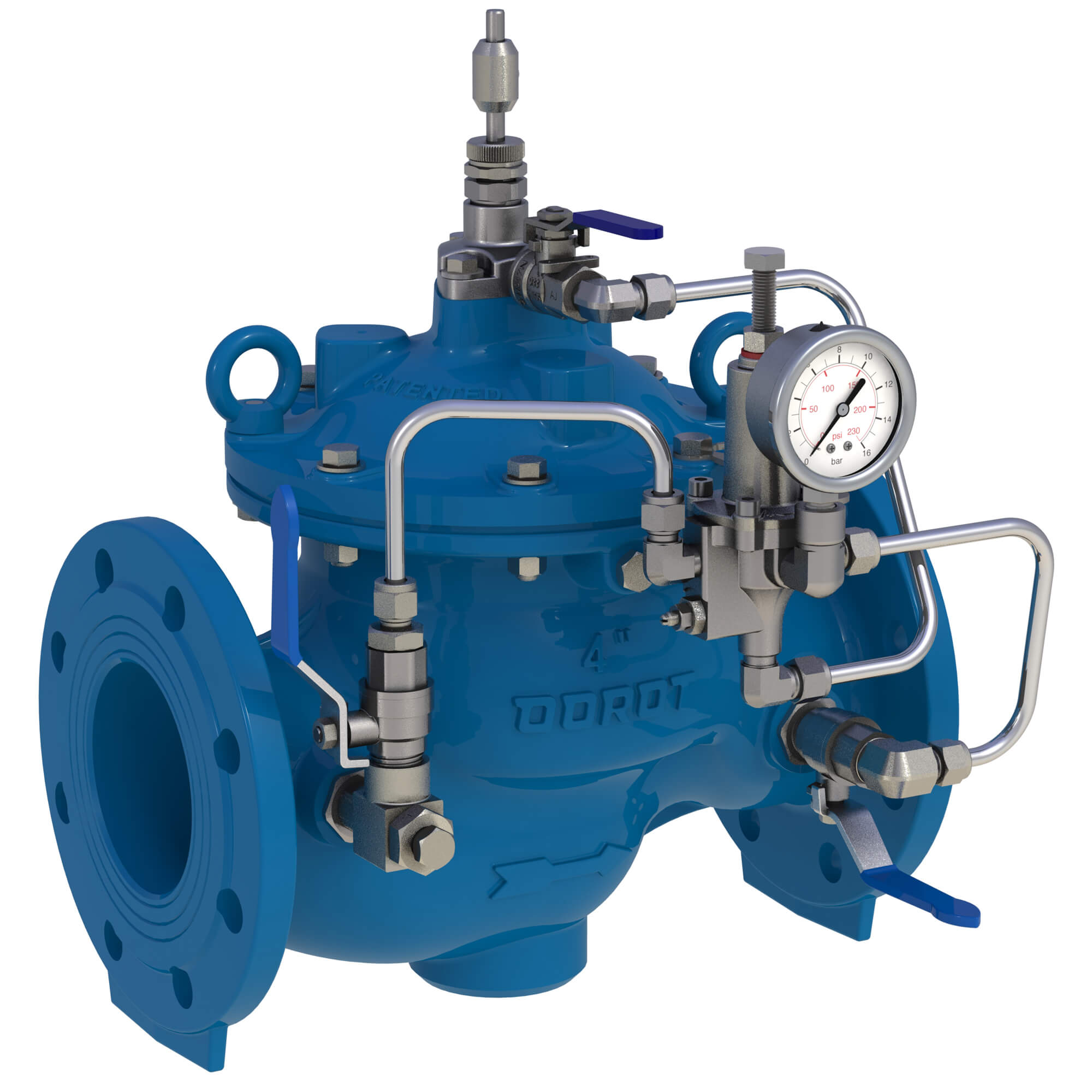
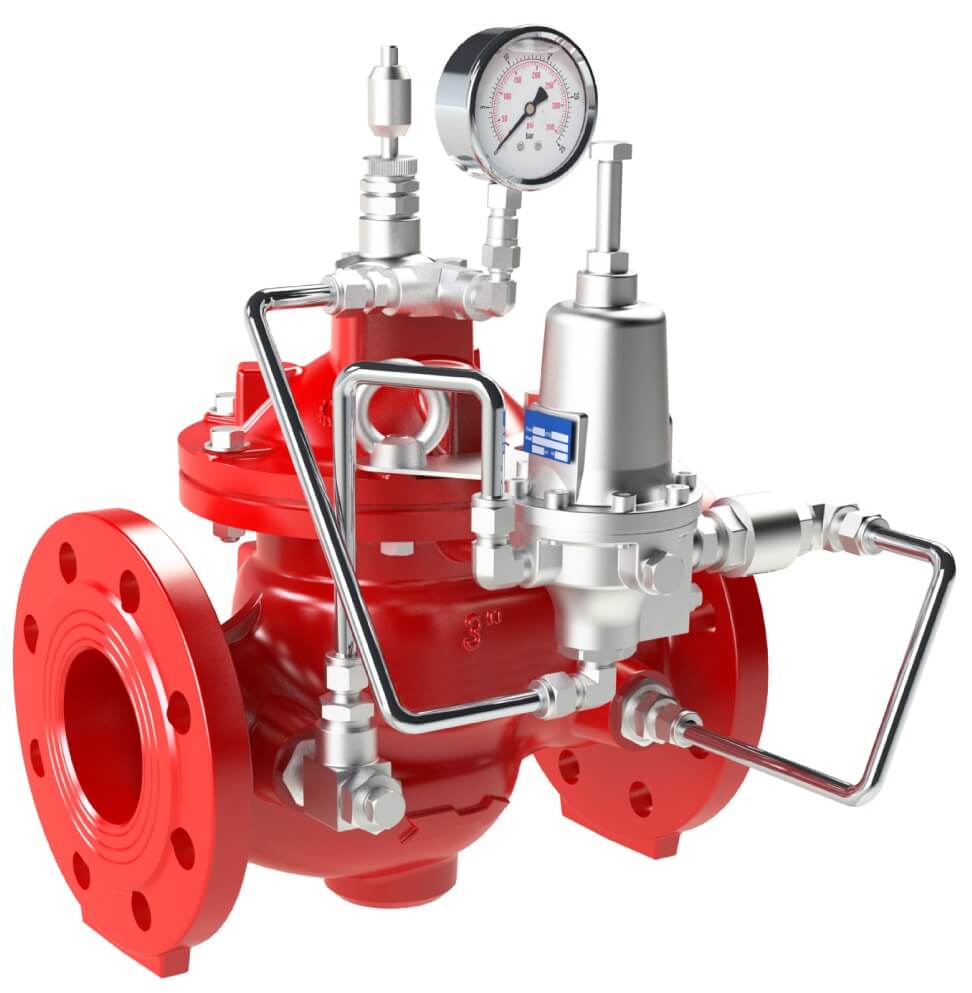
A pressure sustaining valve is a control valve that maintains a minimum upstream pressure by throttling flow when upstream pressure drops below a set value—supporting stable operation in waterworks networks.
It modulates valve position to keep upstream pressure at or above the setpoint while allowing flow when upstream pressure is sufficient—commonly implemented as hydraulic control valves in municipal systems.
A pressure sustaining valve protects/maintains upstream pressure, while a pressure reducing valve (PRV) maintains a stable, lower downstream pressure during normal operation.
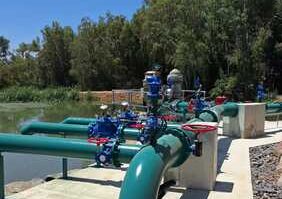
They’re commonly installed at zone boundaries, reservoir outlets, and critical transmission lines where maintaining minimum upstream pressure is essential for continuity of service.
Use them when the system must preserve minimum upstream pressure to protect supply to priority zones, stabilize network hydraulics, or prevent pressure collapse during high demand.
You set the target minimum upstream pressure and verify behavior under both low and peak flows. Final tuning is typically confirmed during commissioning to avoid instability.
Selection depends on flow range, upstream pressure conditions, allowable pressure drop, and stability requirements. In variable-demand networks, correct sizing helps prevent hunting and improves pressure management performance.
Common causes include incorrect sizing, unstable low-flow conditions, air in the line, poor sensing/installation, or control tuning issues—often improved by appropriate pilots and accessories.
Commissioning confirms the valve sustains the required upstream pressure across operating conditions, responds smoothly to demand changes, and doesn’t drift, leak, or oscillate—important for long-term maintenance.
Yes – pressure sustaining valves are widely used in municipal waterworks and industrial networks to maintain stable upstream pressure and protect critical supply and operational stability.