
Size Unit
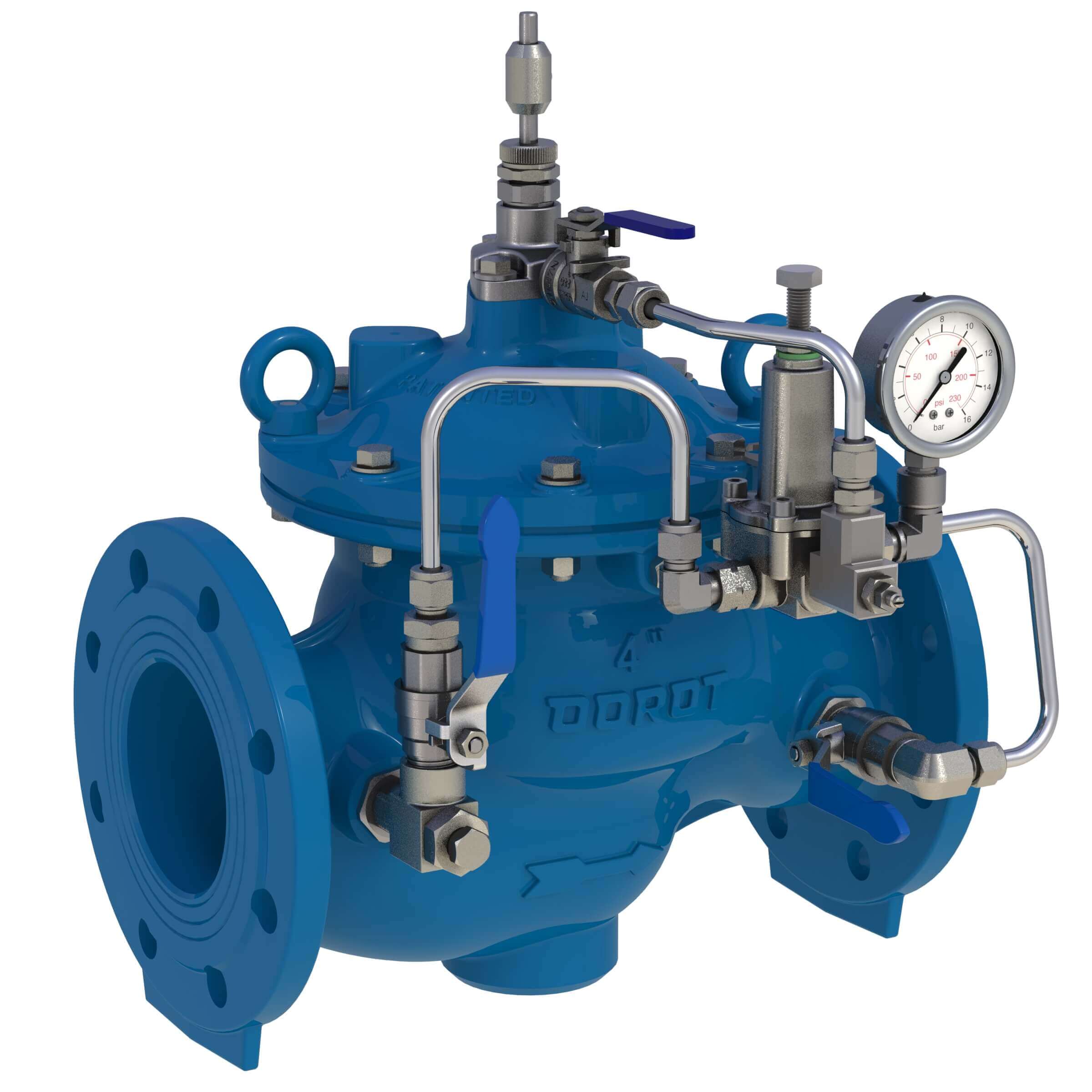
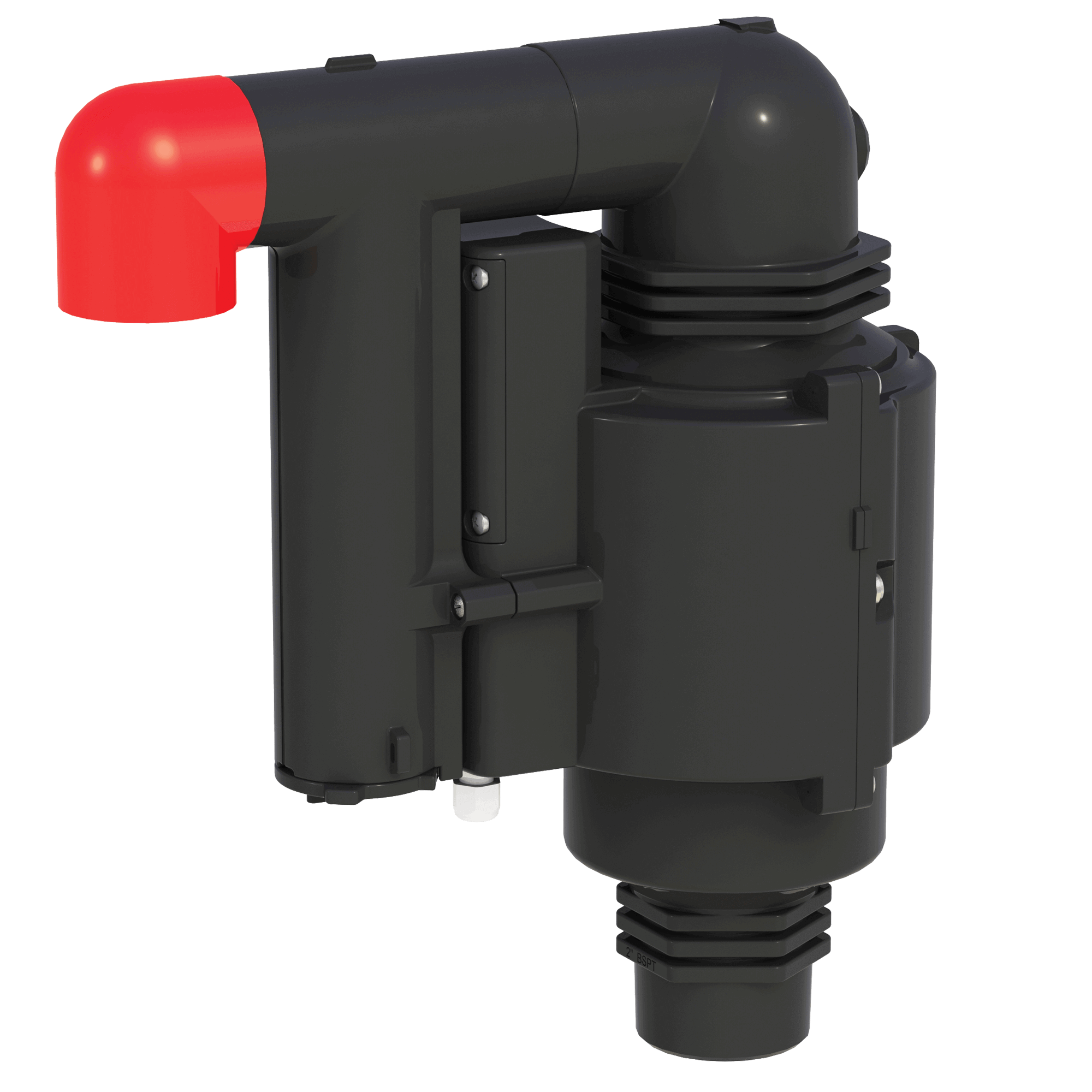
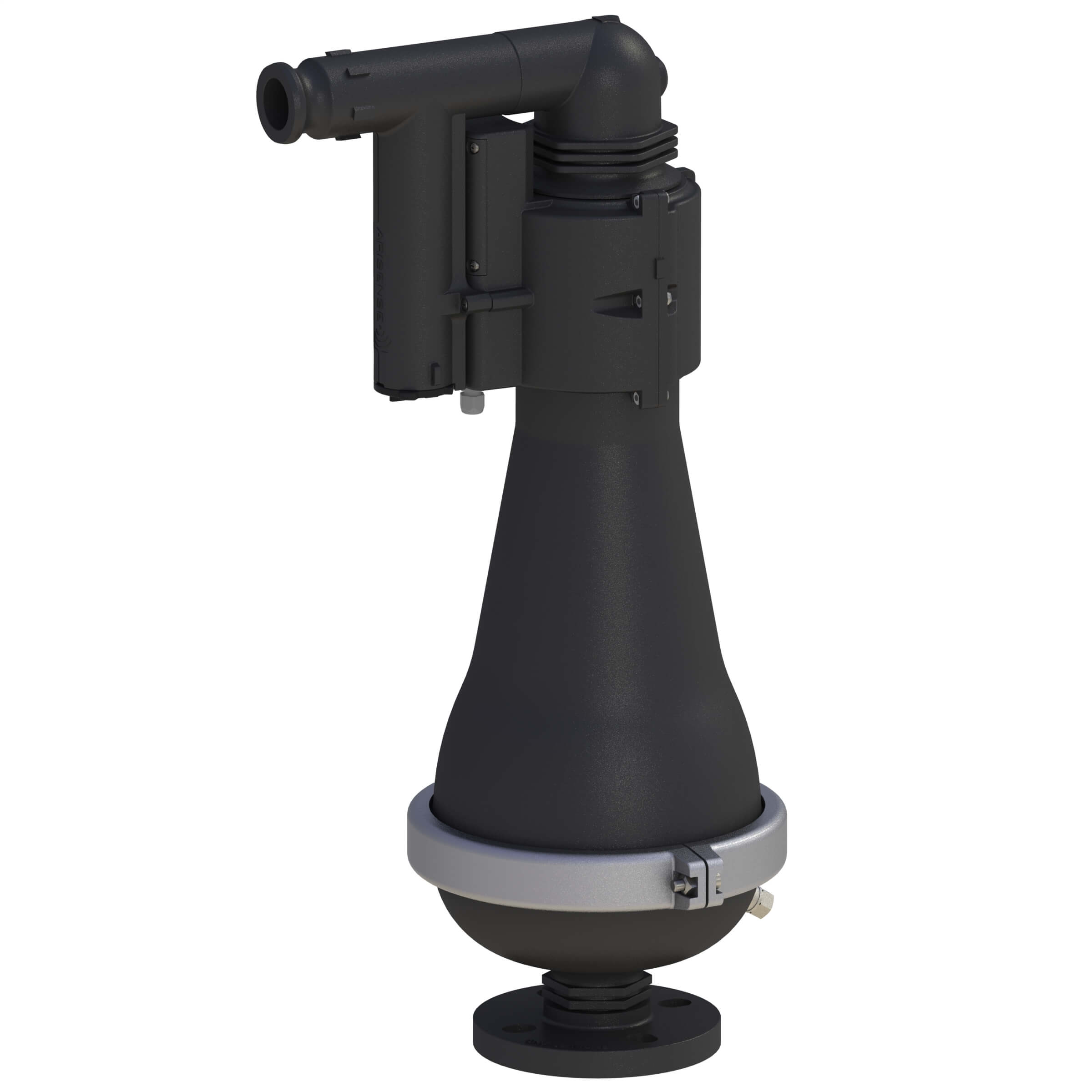
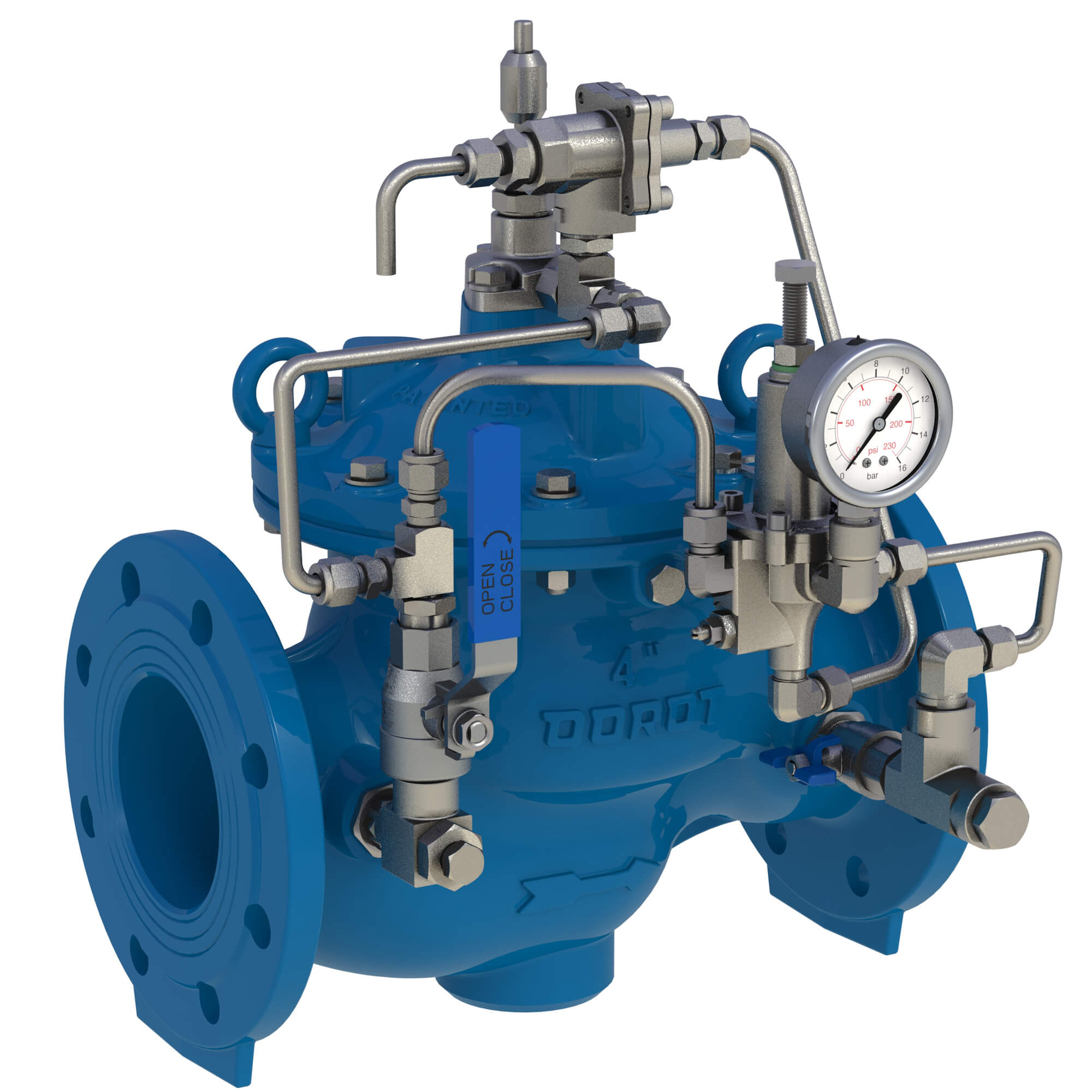
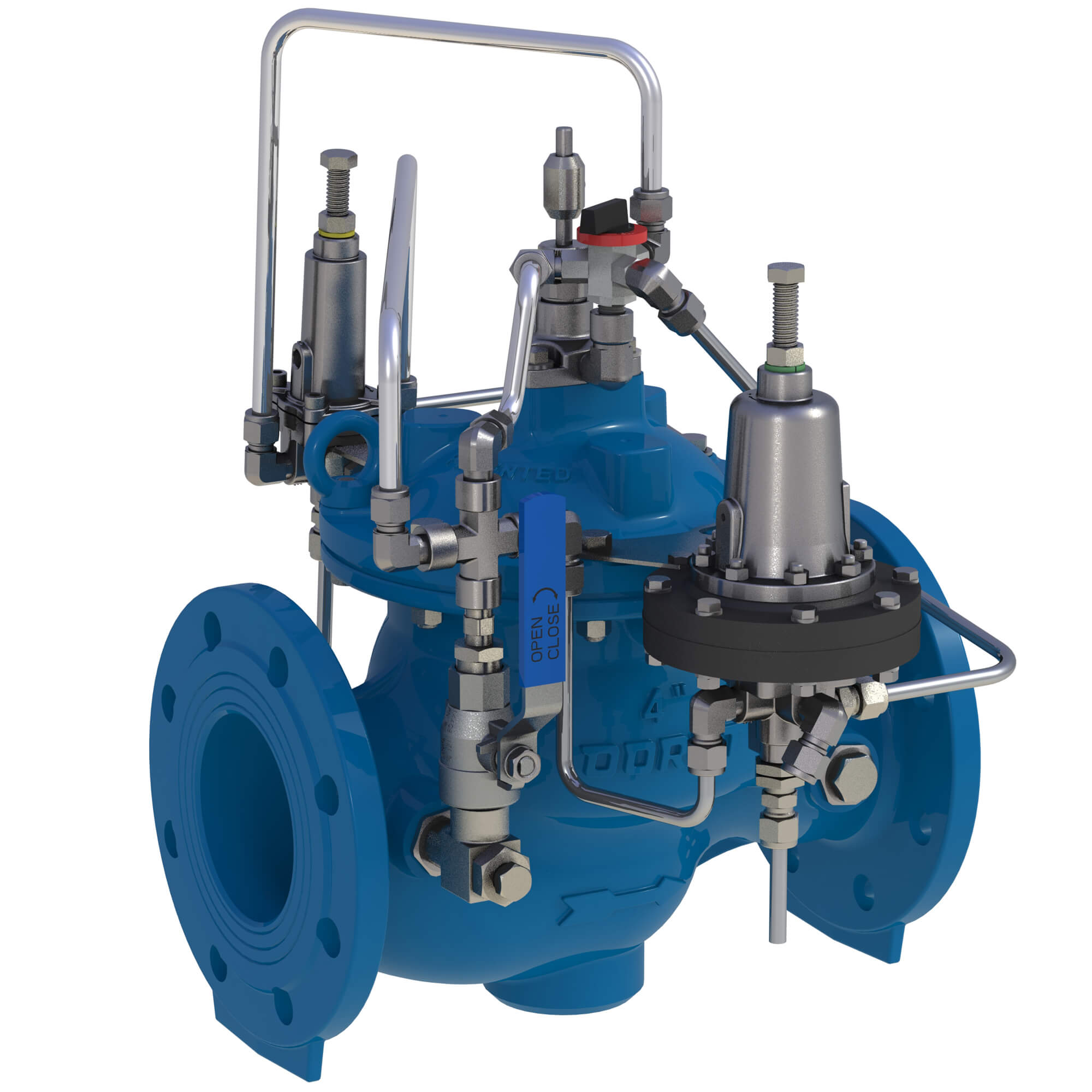
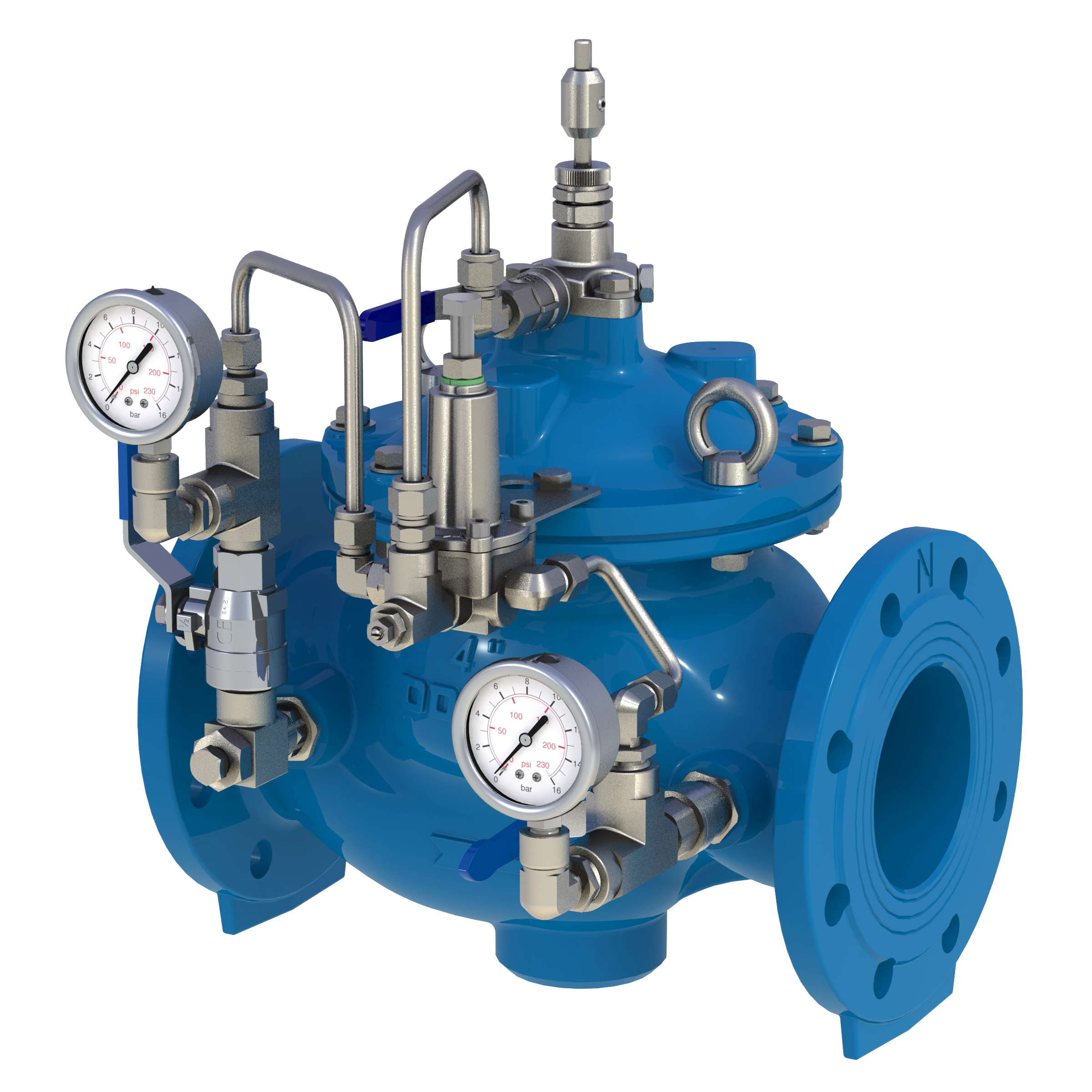
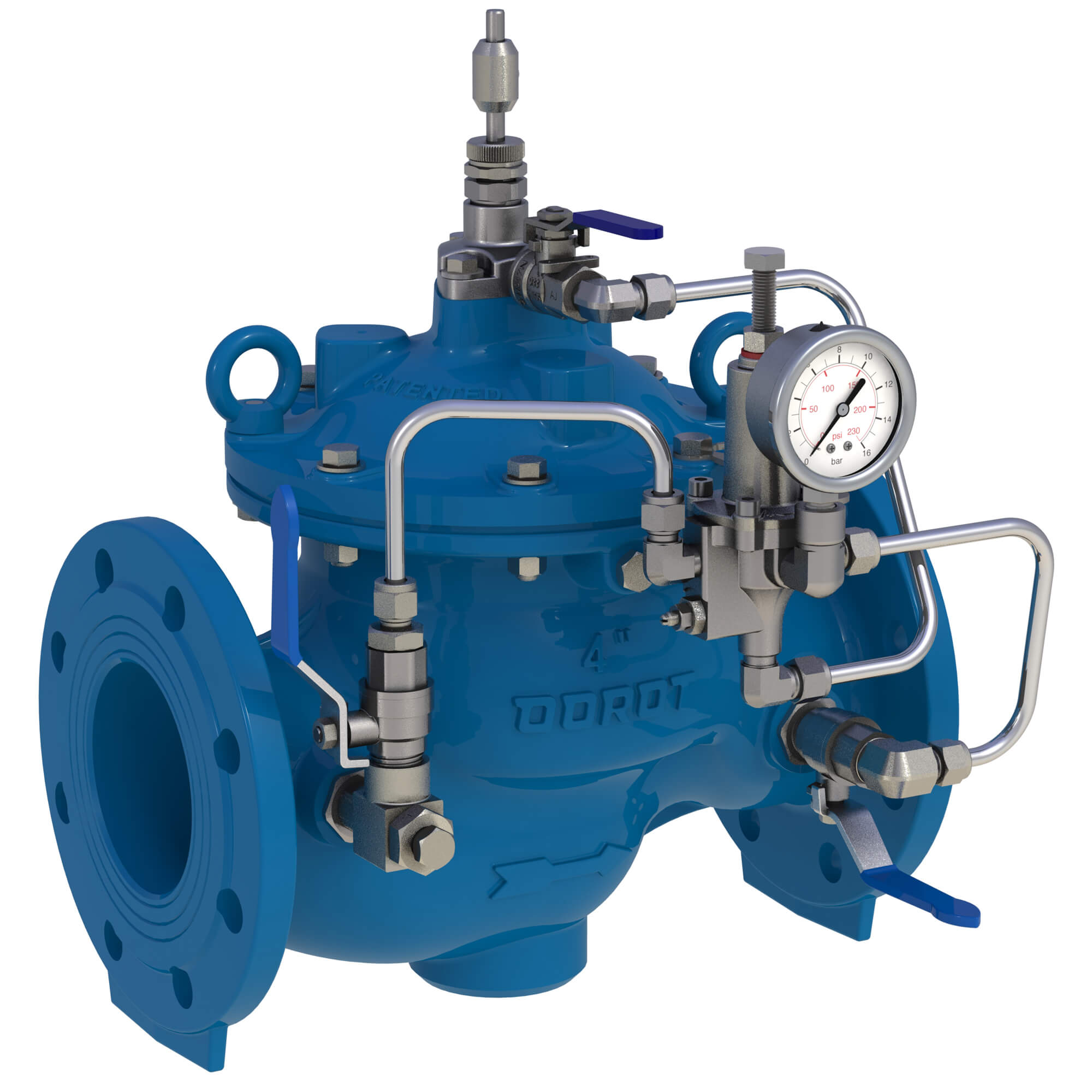
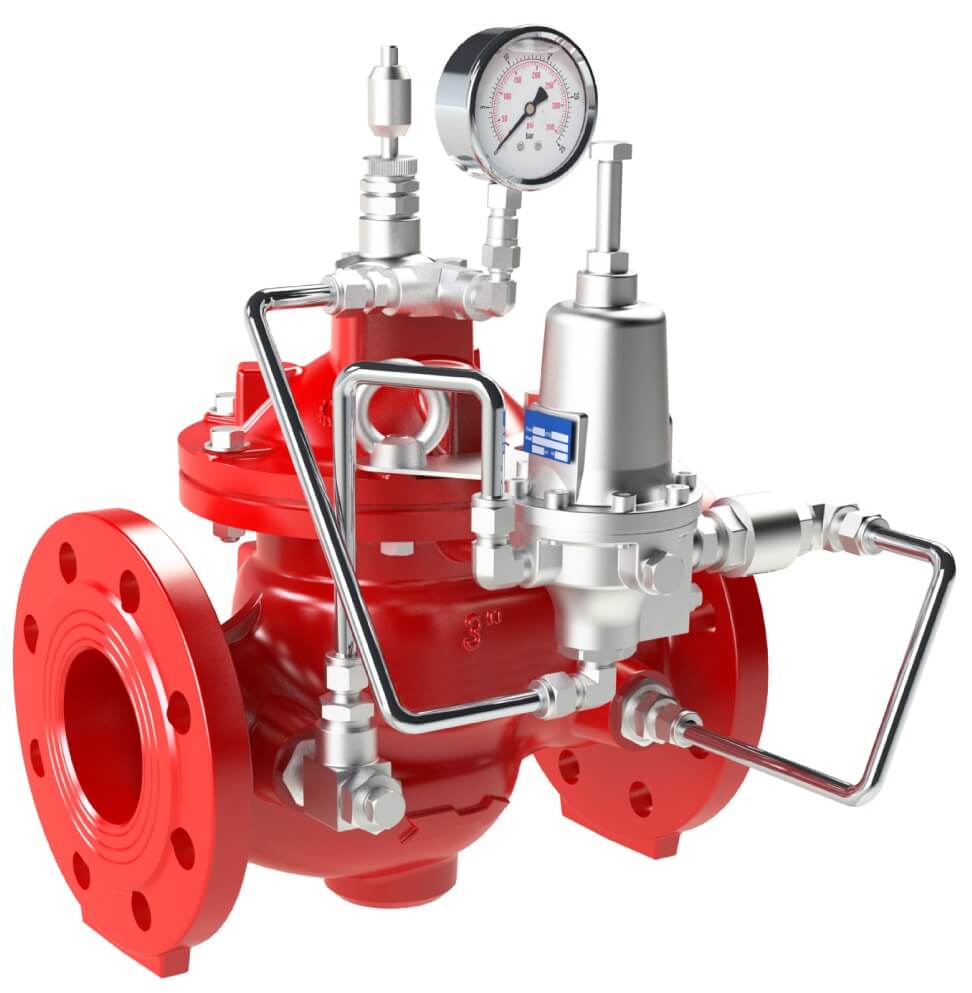
A quick release valve (QR valve) is a surge protection device installed on water transmission pipelines. When a pump trips or shuts down suddenly, the QR valve opens rapidly to discharge the returning high-pressure surge wave – preventing it from damaging pipes, fittings, valves, and pumps downstream. The DOROT Quick Release valve is the leading product in this category and is used by water utilities and irrigation networks across 140+ countries.
During normal operation, the QR valve remains closed and does not affect flow. When a pump trips, discharge pressure drops sharply. The QR valve detects this pressure drop and opens rapidly – within seconds – releasing the incoming surge pressure wave to atmosphere or into a surge tank. Once the surge has dissipated, the valve closes again at a controlled, slow rate to prevent a secondary water hammer event caused by rapid valve reclosure.
A pressure relief valve opens when system pressure rises above the set point (overpressure protection – it is triggered by high pressure). A quick release valve opens when system pressure drops below normal operating pressure – it detects pump shutdown and opens to receive and discharge the returning positive surge wave. Both devices protect against pressure extremes, but they respond to opposite pressure events. Many complete surge protection systems include both.
Water hammer — the pressure shock wave caused by sudden pump shutdown or rapid valve closure — can generate pressure spikes of 3–10 times normal operating pressure in milliseconds. These transients cause pipe rupture, joint failures, valve damage, pump destruction, and service interruptions. Long transmission mains with electric pumps are especially vulnerable because pump power failure can occur instantly and without warning.
No. The DOROT Quick Release valve is hydraulically actuated — it opens automatically in response to a pressure drop in the pipeline, without requiring electrical power, a control signal, or an operator action. This is a critical safety advantage: the valve functions even during total power failure, which is precisely when pump trips and surge events most commonly occur.
Sizing requires a hydraulic transient analysis of the pipeline system — including pipe length and diameter, flow velocity, pump inertia characteristics, static head, and elevation profile. The analysis determines peak surge pressure, the wave travel time, and the required relief flow rate. Aquestia application engineers perform transient analysis and provide a complete surge protection system specification. Contact Aquestia to request a free transient study.
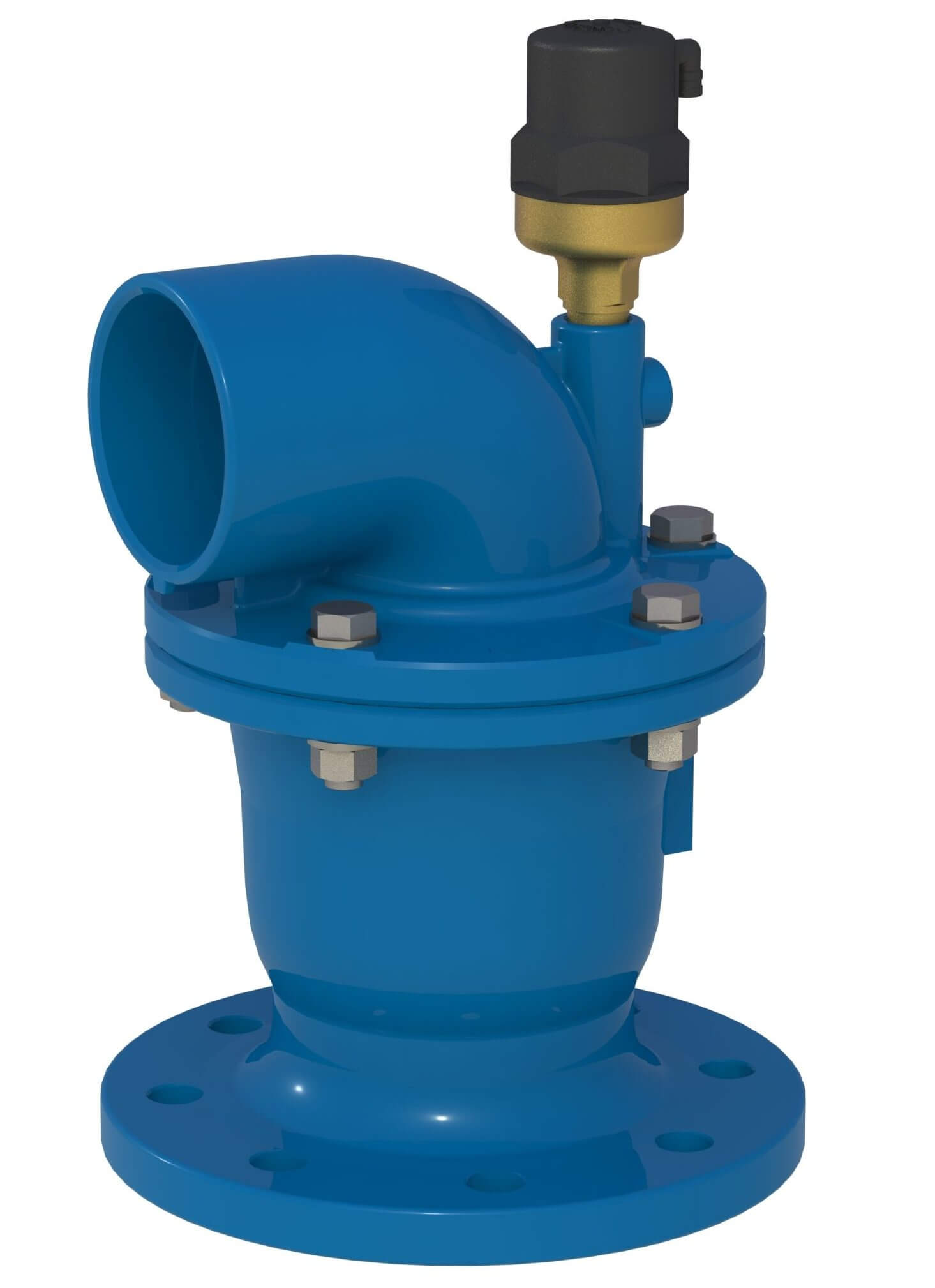
Air valves (kinetic air valves, anti-vacuum valves) and quick release valves address different phases of the same surge event. Air valves protect against the negative-pressure (vacuum) wave that follows the initial positive surge — they admit air to prevent pipeline collapse. Quick release valves discharge the positive-pressure surge wave. A complete surge protection system for a transmission main typically requires both: air valves at high points and a QR valve or surge anticipating valve at the pump station.
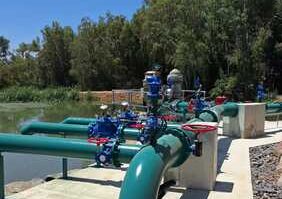
Quick release valves are typically installed immediately downstream of the pump discharge, before the check valve, or at the pump station manifold. For long transmission mains, additional QR valves may be positioned at intermediate high points or at the end of the main. The optimal placement is determined by hydraulic transient analysis. Aquestia’s engineering team provides installation location recommendations as part of the surge protection design service.
Yes, surge protection, including quick release valves, is increasingly specified for bulk water transmission mains under Jal Jeevan Mission (JJM) and AMRUT 2.0 projects in India, particularly for schemes involving long-distance pumping from sources to elevated service reservoirs. India’s growing investment in 24×7 water supply projects and inter-city transmission pipelines — including multi-village schemes in states like Maharashtra, Rajasthan, Gujarat, and Uttar Pradesh — has made hydraulic surge analysis and protection equipment standard practice for consultants and state water boards. Unprotected pump trips on long mains (common during India’s frequent power interruptions) are a leading cause of pipe bursts and infrastructure damage in these schemes. DOROT Quick Release valves, produced by Aquestia India, are sized and installed for JJM and state water board projects and meet the international standards (ISO, AWWA, BS EN) referenced in Indian tender specifications. Contact Aquestia India for surge protection assessment and supply for your transmission main project.