
Unidad de tamaño
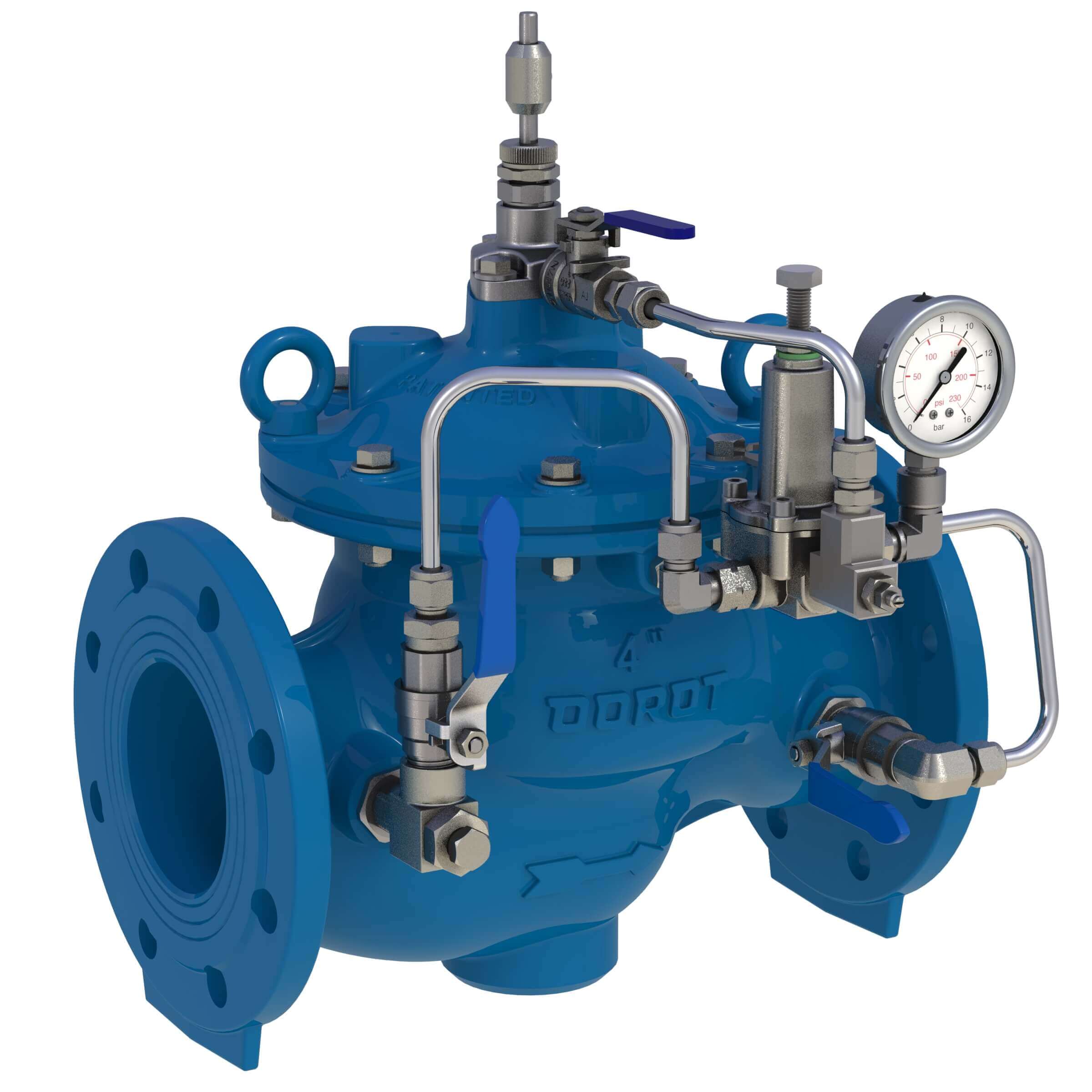
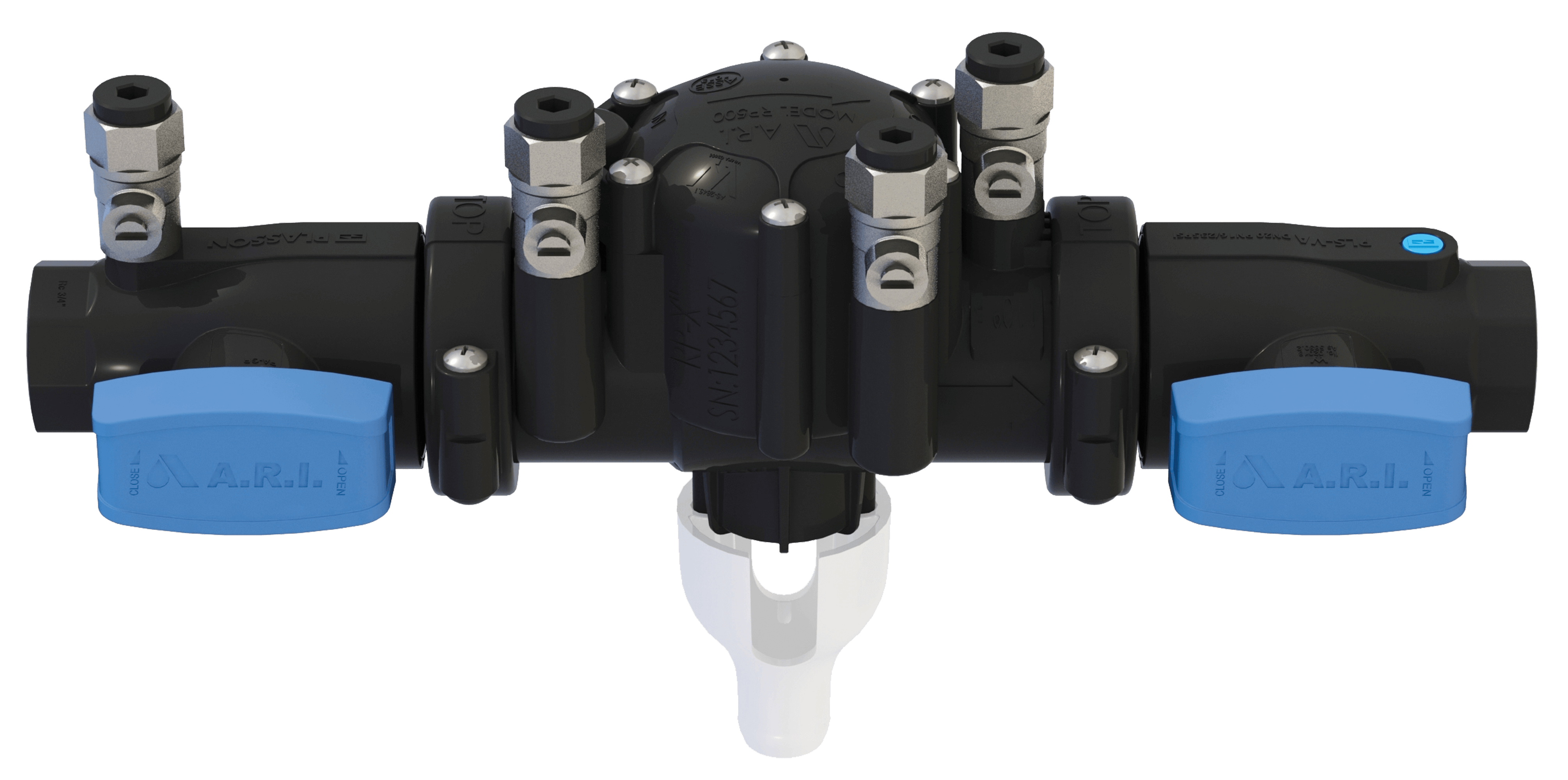
A Pressure Reducing Valve (PRV) automatically reduces high inlet pressure to a stable, preset downstream pressure. It protects pipes, meters, fittings, and end-users from excessive pressure and pressure fluctuations.
A Pressure Reducing Valve (PRV) continuously modulates opening/closing to maintain a target outlet set pressure as flow demand and inlet pressure change. In waterworks, pilot-operated PRVs are commonly used for stable control across wide flow ranges.
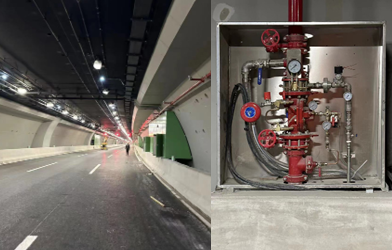
Pressure Reducing Valves (PRVs) are commonly installed at pressure zone/DMA inlets, pressure break points, upstream of sensitive assets (meters, services, irrigation), or at building entry where municipal pressure needs regulation
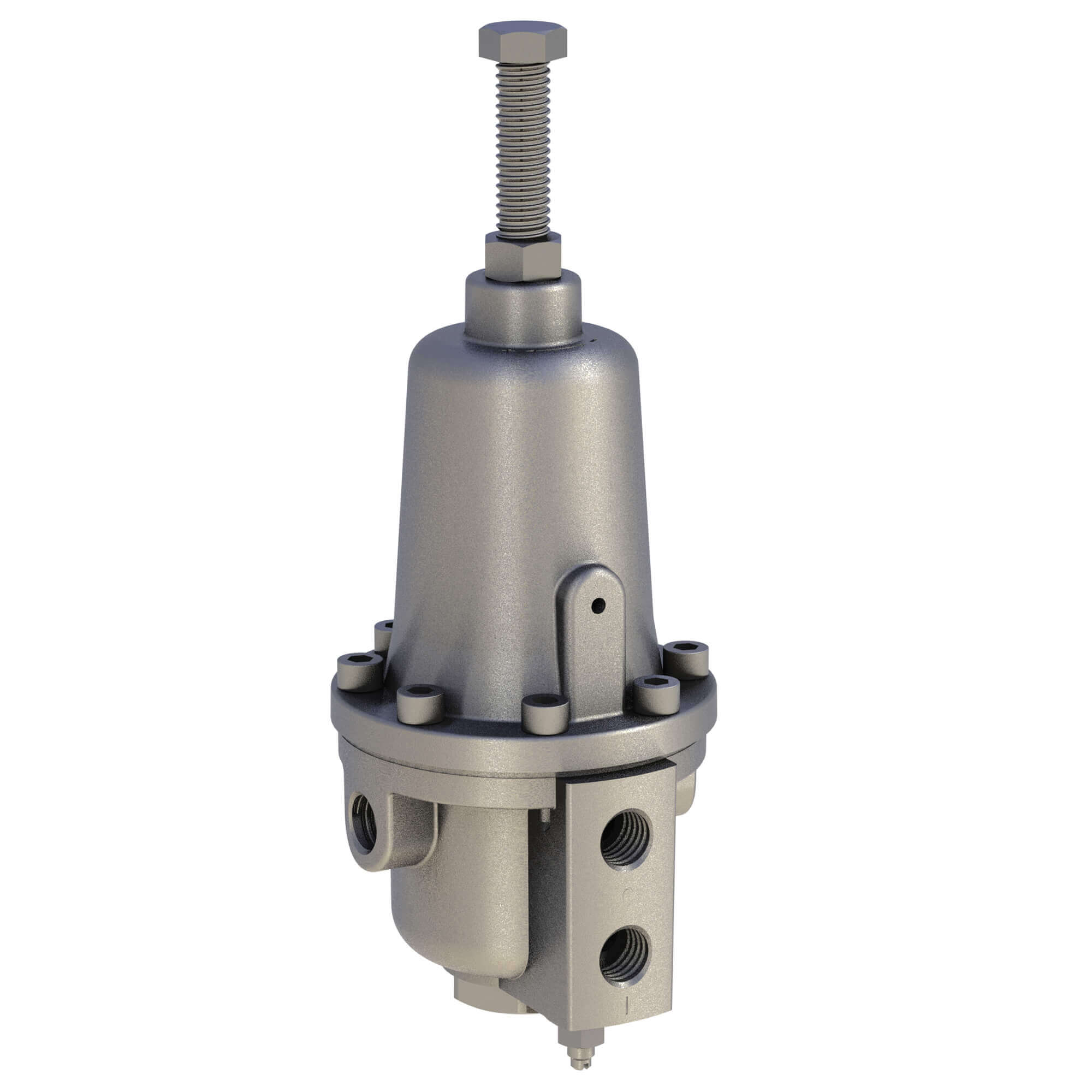
Most Pressure Reducing Valves (PRVs) are adjusted by changing the setpoint (often via an adjustment screw/bolt). Best practice is to adjust while monitoring downstream pressure on a gauge and confirm stability at both low and peak flows.
Pressure Reducing Valves (PRVs) selection depends on min/max flow, inlet pressure range, required outlet set pressure, pressure drop, and risks like cavitation/noise. For networks with big flow variability, pilot-operated designs are typically preferred for control stability.
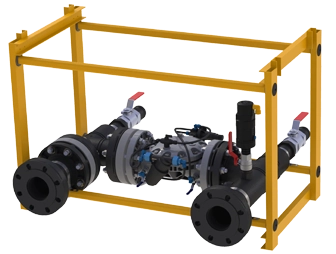
Common best practice includes upstream/downstream isolation valves, pressure gauges/test points, and an upstream strainer/filter when debris is possible. In many waterworks layouts, a bypass line is also used for serviceability and commissioning.
Commissioning confirms the Pressure Reducing Valves (PRVs) holds the setpoint under no/low flow and operating flows, without pressure creep or instability. You also verify response to demand changes, leak-free sealing, and record baseline readings for maintenance.
Common issues include pressure creep (seat wear/debris/pilot issues), hunting/oscillation (oversizing, poor sensing, tuning), and noise/vibration (high pressure drop/cavitation). Troubleshooting starts with inspection/cleaning, then verifying sizing, sensing point, and pilot/seal condition.
Many Pressure Reducing Valves (PRVs) are serviceable with repair kits (seals, diaphragms, pilot components). To match the correct kit, you typically need the valve’s exact model and size and any identification details on the body/nameplate.